
Thailand’s Giant Rat Fossil Reveals Rodent Evolution Secrets
Thailand’s Giant Rat Fossil Reveals Rodent Evolution Secrets
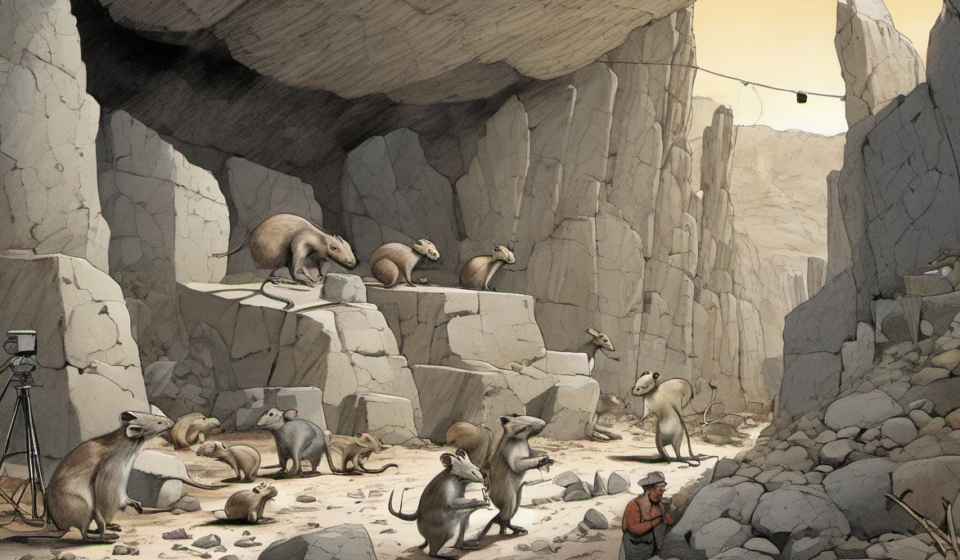
In a surprising discovery, paleontologists have identified a prehistoric rodent species in Thailand that could have weighed as much as a small dog. The fossil, found in a limestone quarry, is the largest rodent ever documented and provides new insights into how early mammals evolved to gigantic proportions.
Unearthing a Massive Mystery
The fossilized remains were uncovered in the Khao Yai region, where ancient limestone deposits preserve a wealth of prehistoric life. Researchers examined the teeth and jaw fragments, noting their size and structure. The specimen’s dimensions suggest a body length of roughly 70 centimeters, making it far larger than any modern rat.
Why the Name Matters
In honor of Princess Sirindhorn, the species was christened Rattus sirindhorn. The naming reflects both the scientific tradition of honoring notable figures and the cultural significance of the discovery to Thailand.
Implications for Rodent Evolution
Rodents are typically small, but this find indicates that early members of the group experimented with size. The giant rat’s dental morphology suggests a diet of tough vegetation, hinting at ecological niches that may have driven its growth. This challenges the prevailing view that rodents remained small due to metabolic constraints.
Future Research Directions
Scientists plan to conduct further excavations in the area to locate more specimens and gather data on the environment that supported such a large rodent. Comparative studies with other large prehistoric mammals may reveal common evolutionary pressures.
Source: CBS News
Watch and listen free on JASTORM – Follow radio and video broadcasts free in the JASTORM app with your free account.