
Amazon’s Hidden Market: The $20 B Illegal Wildlife Trade
Amazon’s Hidden Market: The $20 B Illegal Wildlife Trade
The Amazon rainforest is not only a global carbon sink but also a thriving hub for the world’s most lucrative black‑market industry. According to the United Nations, the illegal trade in endangered species is worth an estimated $20 billion annually. In Yuramaguas, Peru, CBS Saturday Morning takes viewers inside this clandestine world, revealing how poachers, smugglers, and corrupt officials collaborate to harvest and sell wildlife, and highlighting the courageous individuals working to protect the region’s biodiversity.
From Jungle to Market: How the Trade Operates
Poachers first capture animals such as jaguars, macaws, and turtles, often using traps or firearms. The animals are then transported through remote river routes or hidden trails to clandestine markets where buyers—ranging from luxury collectors to illegal pet traders—pay hefty sums. The revenue generated supports further poaching, creating a vicious cycle that threatens species with extinction.
The Human Cost and Legal Loopholes
Local communities frequently find themselves caught between the lure of quick cash and the moral imperative to protect their environment. Corruption among law‑enforcement officials can facilitate the trade, while weak international regulations make it difficult to trace and prosecute offenders. The United Nations’ estimate underscores the scale of the problem, but also the urgency for coordinated global action.
Grassroots Resistance: Protecting the Amazon’s Wildlife
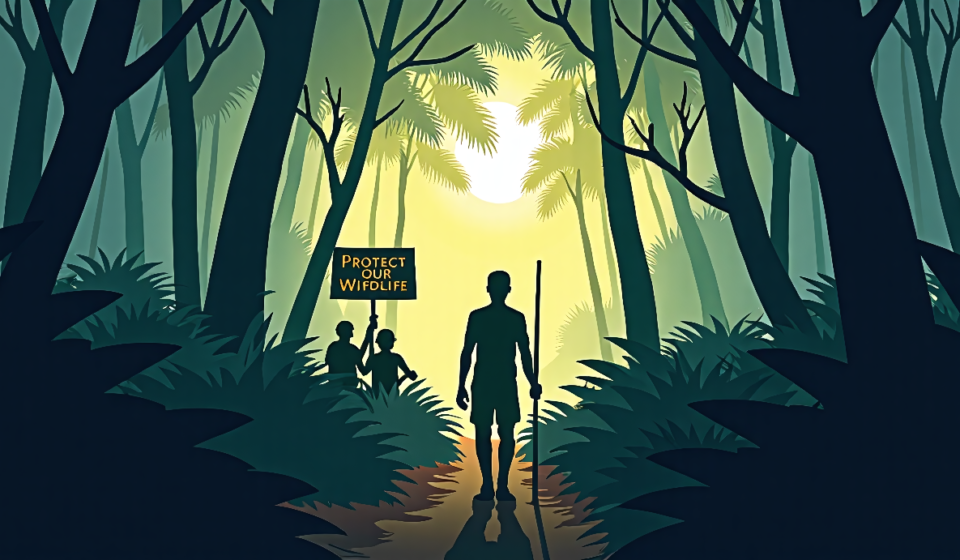
Despite the challenges, several community groups and NGOs are making strides. In Yuramaguas, volunteers patrol riverbanks, set up early‑warning systems, and collaborate with wildlife authorities to intercept illegal shipments. Educational programs aim to shift local attitudes, emphasizing the long‑term ecological and economic benefits of conservation over short‑term profits.
What Can Viewers Do?
Awareness is the first step. By supporting reputable wildlife conservation organizations, reporting suspicious activity, and advocating for stronger enforcement of international wildlife protection laws, individuals can help curb the trade. Media coverage, like the CBS feature, plays a vital role in shining a light on these hidden crimes.
For more in‑depth coverage, watch the full CBS Saturday Morning segment on the illegal trade in the Amazon.
Watch and listen free on JASTORM – Follow radio and video broadcasts free in the JASTORM app with your free account.