
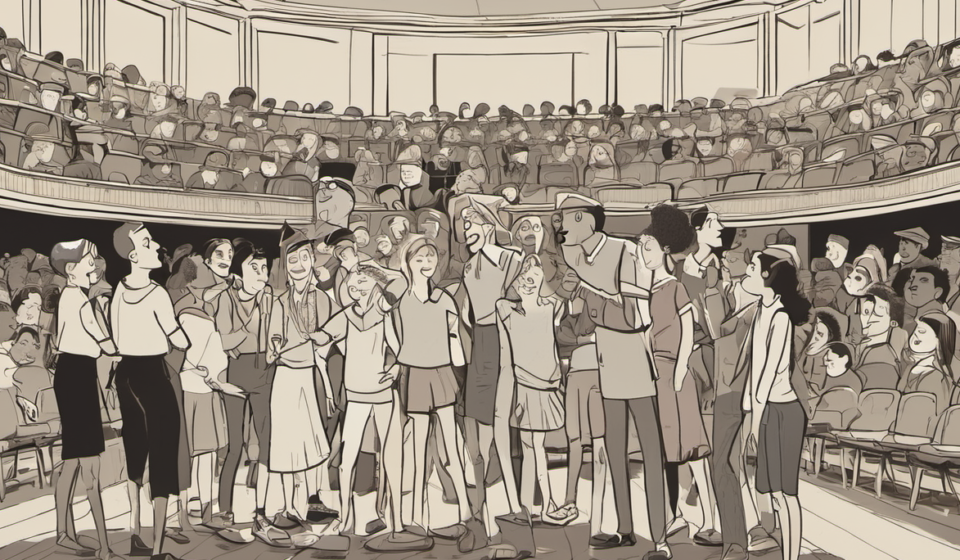
High Schools Revive Broadway Classics for Fresh Audiences
High Schools Revive Broadway Classics for Fresh Audiences
Across the United States, educators are transforming beloved Broadway productions into dynamic high‑school theater projects. By adapting shows like Les Misérables, Wicked, and The Phantom of the Opera for the classroom, schools are not only teaching drama and music but also connecting students with the cultural heritage of musical theater.
Why Broadway Finds a New Home in Schools
Teachers report that staging a full‑scale musical sparks enthusiasm in ways that traditional lessons cannot. The collaborative nature of a production—rehearsals, set design, costume creation—offers hands‑on learning that reinforces teamwork, time management, and creative problem‑solving. Moreover, the familiar storylines and memorable songs provide an accessible entry point for students who might otherwise feel disconnected from the arts.
Adapting the Big‑Stage Experience for the Classroom
Successful programs often begin with a scaled‑down version of the original script. Directors work with students to rewrite dialogue, adjust choreography, and simplify staging so that the production fits the school’s resources. Many schools also incorporate technology, using digital lighting cues or recording performances for later analysis. This approach keeps the integrity of the original work while making it approachable for a high‑school cast.
Impact on Students and Communities
Students who participate in these productions frequently report increased confidence and a deeper appreciation for the performing arts. Alumni of such programs often cite their theater experience as a pivotal factor in their college admissions and career choices. Communities, too, benefit: local audiences attend school performances, fostering a shared cultural experience and strengthening school‑community ties.
Challenges and Solutions
Funding remains a primary hurdle. Many schools rely on grants, sponsorships, and fundraising events to cover costs for scripts, costumes, and technical equipment. Partnerships with local theaters and universities can also provide access to rehearsal spaces and professional mentorship. Additionally, teachers must balance the demands of a full production with academic responsibilities, often requiring careful scheduling and support from school administrators.
Looking Ahead
As more educators recognize the educational value of musical theater, the trend is likely to grow. With the support of community resources and innovative teaching strategies, high schools can continue to bring Broadway’s timeless stories to new audiences—students, families, and neighbors alike.
Source: CBS Saturday Morning
Unlock JASTORM media – Create a free JASTORM account, then subscribe for JASTORM media, games, JATANIUM watermarking, and CASICOMO.