
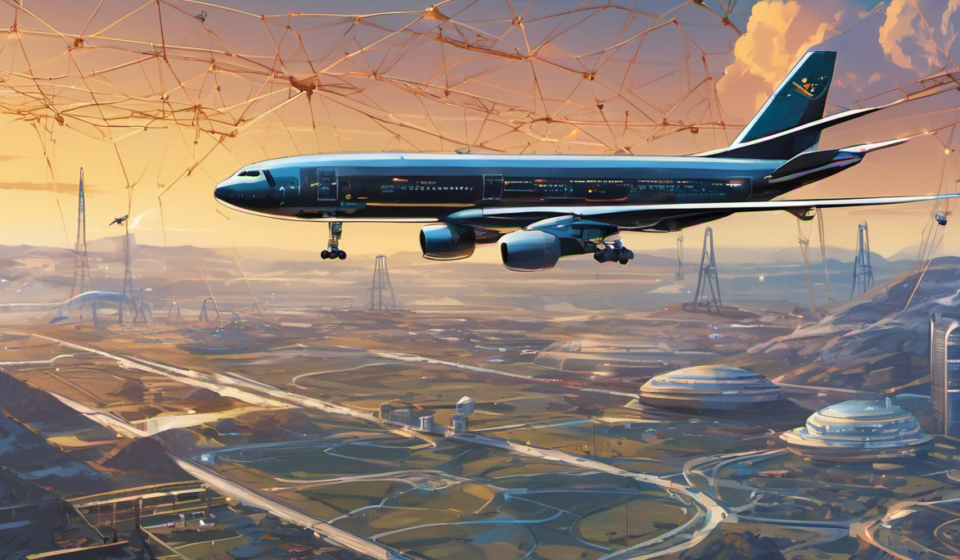
AI‑Driven Skies: What Happens When Pilots Vanish?
AI‑Driven Skies: What Happens When Pilots Vanish?
As artificial intelligence steps into roles traditionally held by human pilots and air‑traffic controllers, the aviation sector confronts a paradox: increased automation may reduce human error, yet it also introduces new vulnerabilities. The question is not whether AI will replace humans, but how the industry will manage the transition to a largely autonomous airspace.
From Manual to Machine: The Evolution of Flight Operations
Historically, aviation has been cautious about adopting new technology. Pilots and controllers have long been the backbone of flight safety, with rigorous training and oversight. Recent advances in machine learning, sensor fusion, and real‑time data analytics have made it possible for aircraft to navigate, detect obstacles, and communicate with ground systems without direct human intervention.
Potential Benefits of Autonomous Flight
- Consistency: Algorithms can maintain optimal flight paths and fuel efficiency 24/7.
- Reduced Human Error: Eliminating fatigue and miscommunication risks.
- Scalability: More flights can be managed with fewer personnel.
New Risks in a Low‑Human Environment
However, the shift also raises concerns. With fewer pilots on board, the margin for error in software glitches, sensor failures, or unexpected weather events widens. Similarly, a reduced air‑traffic control workforce may struggle to monitor and coordinate an increasingly complex autonomous airspace, potentially leading to congestion or collision risks.
Regulatory and Ethical Considerations
Regulators must balance innovation with safety, establishing rigorous certification standards for autonomous systems. Ethical questions also arise: who is accountable when an AI‑driven aircraft encounters an accident? The industry must develop clear liability frameworks and transparent decision‑making logs.
Industry Response and Future Outlook
Several airlines and tech firms are piloting autonomous flight trials, but widespread adoption remains a few years away. Collaboration between aviation authorities, manufacturers, and AI developers will be crucial to ensure that the benefits outweigh the risks.
For more on how AI is reshaping the skies, read the full Wired article: No Pilots. Few Air Traffic Controllers. What Could Go Wrong?
Explore AI integration, technology consulting, and IT services from American Tech Consultants. Explore American Tech Consultants