
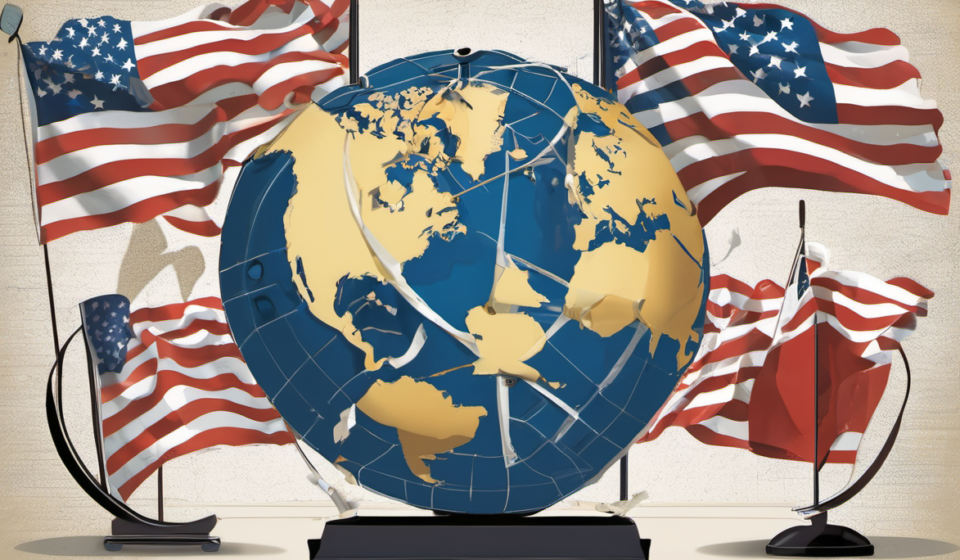
U.S. Becomes First Nation to Reject UN Human Rights Council Review
U.S. Becomes First Nation to Reject UN Human Rights Council Review
The United States has become the first country to refuse a review by the United Nations Human Rights Council (UNHRC), a decision that underscores deepening skepticism about the council’s effectiveness and the U.S.’s willingness to engage with international human‑rights mechanisms.
Why the U.S. Declined the Review
According to a spokesperson for the U.S. State Department, the UNHRC has repeatedly failed to uphold the very values it claims to protect. The spokesperson criticized the council for “pushing anti‑American rhetoric” and for what they described as a “mockery of human rights.” The decision reflects a broader trend of U.S. officials questioning the legitimacy of international bodies that they perceive as biased or ineffective.
Implications for U.S. Foreign Policy
By refusing to submit to the UNHRC’s review, the United States signals a shift toward a more unilateral approach to human‑rights oversight. The move may strain relations with allies who view the council as a vital platform for addressing global human‑rights abuses. It also raises questions about how the U.S. will engage with other international human‑rights mechanisms in the future.
The UNHRC’s Role and Controversies
The UN Human Rights Council was established to promote and protect human rights worldwide. However, it has faced criticism for its selection process, perceived political bias, and inconsistent enforcement of its findings. Critics argue that the council’s structure allows for politicized decisions that can undermine its credibility.
Reactions from the International Community
While the U.S. has not yet received a formal response from the UN, other nations have expressed concern that the U.S. withdrawal could weaken collective efforts to hold governments accountable for human‑rights violations. Some observers see the move as a sign that the U.S. is prioritizing national interests over global cooperation.
Looking Ahead
The U.S. decision may prompt a reevaluation of how countries interact with the UNHRC and other human‑rights bodies. Whether this will lead to reforms within the council or a broader shift in international human‑rights governance remains to be seen. For now, the United States stands alone in its refusal to participate in the review process.
Source: CBS News
Watch and listen free on JASTORM – Follow radio and video broadcasts free in the JASTORM app with your free account.