
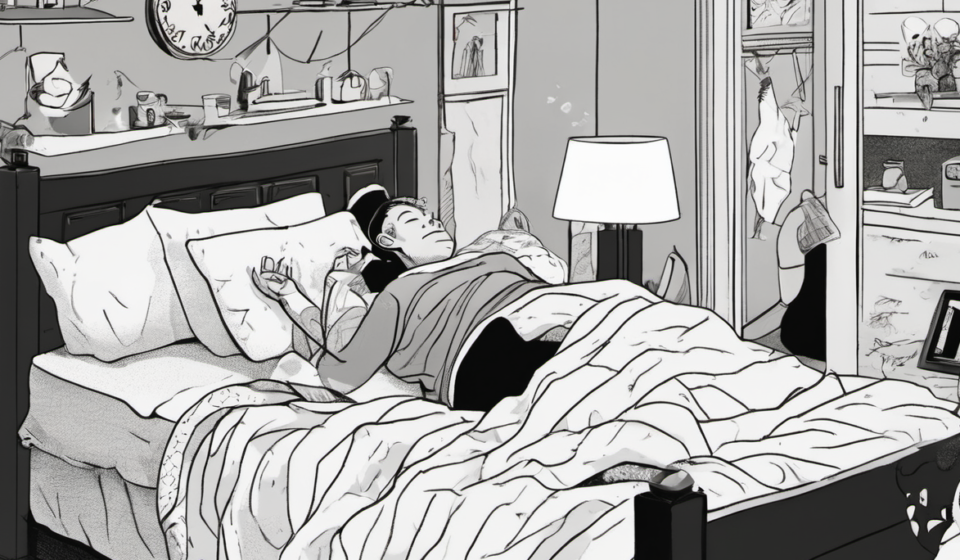
New Sleep‑Pattern Study Links Hidden Depression Subtype
New Sleep‑Pattern Study Links Hidden Depression Subtype
In a large Australian survey, scientists identified a connection between particular sleep behaviors and a newly proposed form of depression. The findings suggest that subtle changes in sleep timing and quality could serve as early warning signs for clinicians and patients alike.
What the Study Revealed
The research examined over 11,000 adults across Australia, focusing on sleep duration, bedtime regularity, and circadian rhythm alignment. Participants who reported irregular sleep schedules, late bedtimes, and inconsistent wake times were more likely to exhibit symptoms of the newly defined depression subtype.
Why It Matters
Traditional diagnostic tools often overlook nuanced sleep patterns that may precede or accompany depressive episodes. By highlighting these specific habits, the study offers a potential pathway for earlier intervention and personalized treatment strategies.
Implications for Clinicians and Patients
Healthcare providers may consider incorporating sleep habit assessments into routine mental health evaluations. Patients experiencing irregular sleep could benefit from targeted sleep hygiene counseling or chronotherapy to mitigate depressive symptoms.
Next Steps in Research
Further longitudinal studies are needed to confirm causality and to explore whether modifying sleep patterns can effectively reduce the severity of this depression subtype. Researchers also aim to develop screening tools that integrate sleep metrics with traditional psychological assessments.
Source: Fox News Health
Watch and listen free on JASTORM: Follow radio and video broadcasts free in the JASTORM app with your free account.