
Old Android Phones Power Two‑Legged Robots That Follow You
Old Android Phones Power Two‑Legged Robots That Follow You
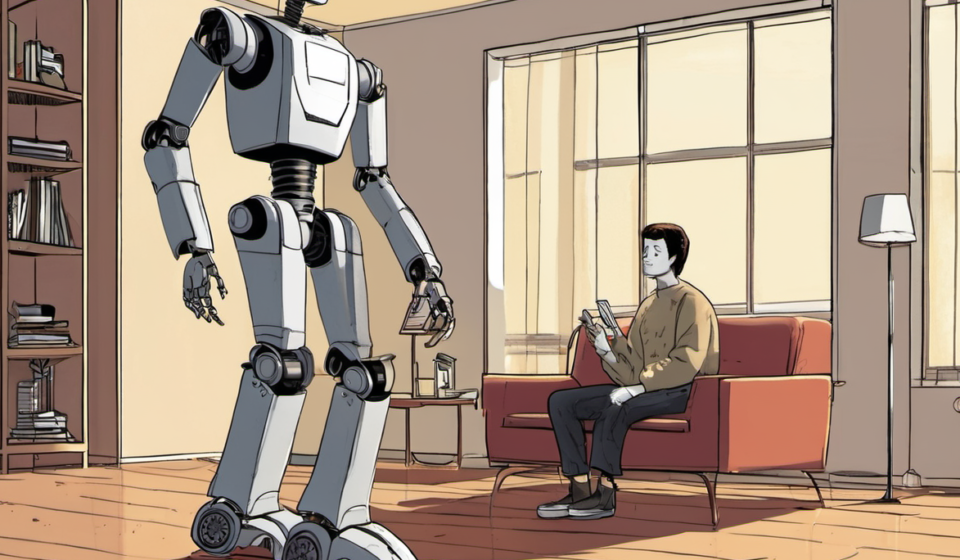
Researchers at UCLA have developed PhoneBot, a system that repurposes obsolete Android smartphones as the central processing unit for a lightweight, two‑legged humanoid robot. The robot can walk, track a person’s movements, and recover from a fall, all while using the phone’s built‑in sensors and computing power.
How PhoneBot Works
PhoneBot’s architecture leverages the Android device’s camera, gyroscope, and accelerometer to gather real‑time data. The phone runs custom software that interprets this input and sends motor commands to the robot’s actuators. Because the phone is already designed for complex sensor fusion, the system can operate with minimal additional hardware.
Walking, Following, and Standing Up
In demonstrations, the robot follows a person’s footsteps, maintaining balance while navigating uneven surfaces. If it trips, the embedded software initiates a recovery routine that brings the robot back to an upright position. This combination of locomotion and self‑righting capability showcases the potential for low‑cost, adaptable robots in domestic and industrial settings.
Implications for the Robotics Field
By using consumer electronics as the core of a robotic platform, PhoneBot reduces both cost and complexity. The approach could accelerate the deployment of personal assistants, delivery bots, and even assistive devices for the elderly or disabled. Moreover, the open‑source nature of the software allows developers to experiment with new control algorithms without investing in expensive hardware.
Future Directions
UCLA researchers plan to expand PhoneBot’s capabilities to include obstacle avoidance, multi‑person tracking, and integration with smart home ecosystems. They also aim to refine the robot’s gait for smoother, more energy‑efficient movement.
Source: Fox News
Explore American Tech Consultants – Explore AI integration, technology consulting, and IT services from American Tech Consultants.