
Rodney Mack on OVW Accountability, Junkyard Dog Training, and the Dogg Pound’s Origins
Rodney Mack on OVW Accountability, Junkyard Dog Training, and the Dogg Pound’s Origins
In a candid interview on Developmentally Speaking, former OVW talent Rodney Mack shed light on the culture of responsibility that kept wrestlers on track, the influence of iconic trainers like Junkyard Dog, and the early days of the famed Dogg Pound tag team.
Locker‑Room Accountability: More Than Just Trainers
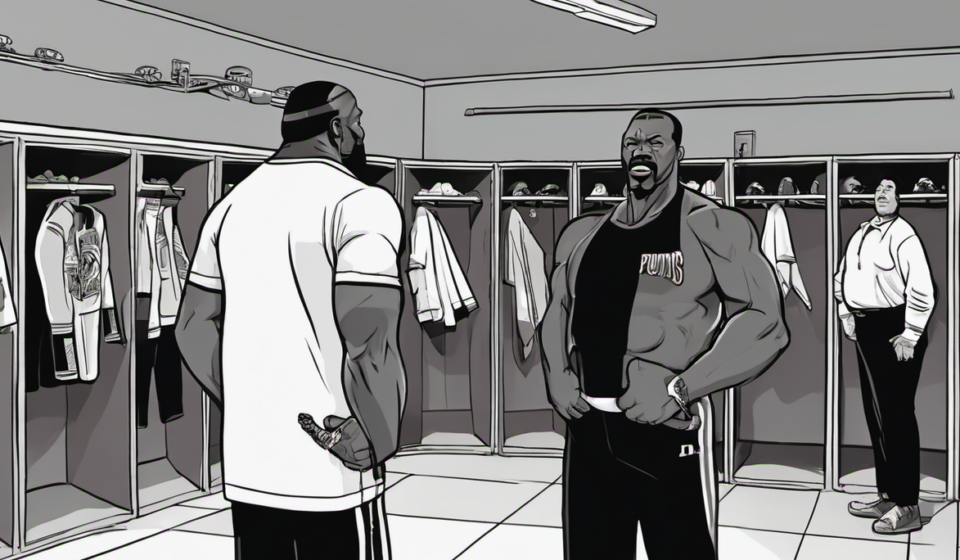
Mack emphasized that while OVW’s coaching staff were “the greatest trainers in the history of the business,” the real backbone of the promotion was the locker‑room culture. He recalled a room that included future stars John Cena and Randy Orton, where wrestlers held each other accountable for showing up and staying disciplined. “We had a system that made sure we were all on the same page,” Mack said, highlighting the importance of peer pressure and mutual support in a developmental environment.
Junkyard Dog’s Impact on Early Training
The legendary Junkyard Dog was a key figure in shaping the early training curriculum at OVW. Mack noted how the former WWE Hall of Famer’s emphasis on fundamentals and charisma helped wrestlers develop a strong in‑ring presence. “Junkyard Dog taught us that technique and showmanship go hand in hand,” Mack recalled, underscoring the lasting influence of his coaching style on the next generation of performers.
The Origins of the Dogg Pound
When asked about the beginnings of the iconic tag team, Mack provided a behind‑the‑scenes look at how the duo formed. He described the early days of the partnership, the chemistry that developed between the two wrestlers, and the role that OVW’s supportive environment played in their rise to prominence. The interview offered fans a rare glimpse into the formative moments that led to one of wrestling’s most celebrated tag teams.
Beyond the Ring: Lessons for Aspiring Wrestlers
Mack’s insights extend beyond the specifics of OVW. He stressed the importance of accountability, mentorship, and a strong work ethic for anyone looking to succeed in professional wrestling. “It’s not just about the moves you learn; it’s about the people you learn from and the culture you build around you,” he said.
For more details, read the full interview on Wrestling Headlines.
Watch and listen free on JASTORM – Follow radio and video broadcasts free in the JASTORM app with your free account.