
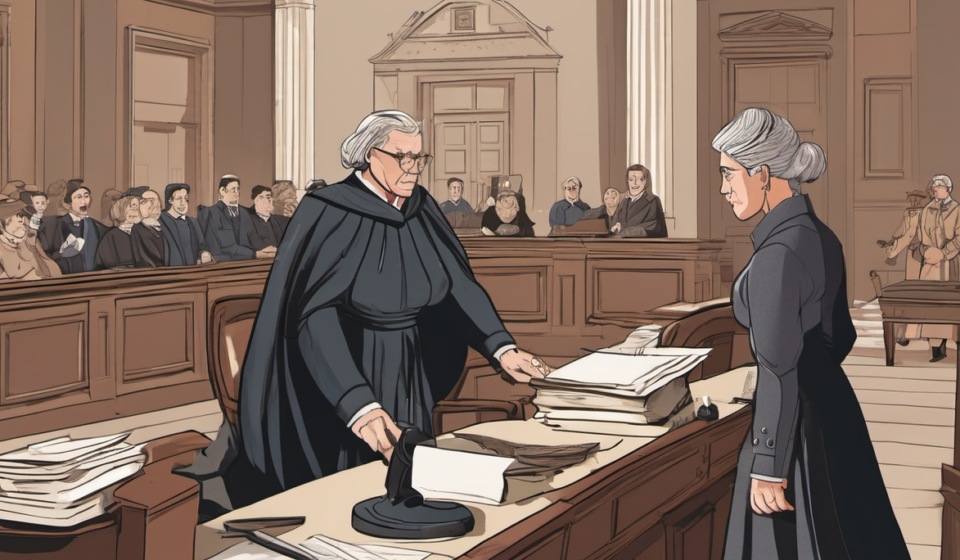
UK Campaign Seeks Pardons for Women Executed in Witch Trials
UK Campaign Seeks Pardons for Women Executed in Witch Trials
A growing movement in Britain is pushing for official pardons for thousands of women executed for witchcraft during the 16th‑18th centuries. The campaign seeks to right historic wrongs and acknowledge the injustice of past convictions.
Historical Context: A Dark Chapter in British Law
Between the 1500s and 1700s, witchcraft was a crime punishable by death in the United Kingdom. Legal statutes such as the Witchcraft Act of 1604 and the Witchcraft Act of 1735 made it easier for courts to convict women accused of sorcery. In total, estimates suggest that several thousand women were executed for alleged witchcraft, often based on flimsy evidence or social hysteria.
The Modern Movement for Pardon
Today, a coalition of historians, legal scholars, and civil‑rights advocates has launched a campaign to obtain formal pardons for those women. The initiative argues that the convictions were based on prejudice and a lack of due process, and that the state should formally acknowledge the injustice.
Holly Williams, a journalist who covered the story for CBS News, highlights the emotional weight of the campaign. “These women were victims of a system that criminalized fear and ignorance,” she said. “A pardon would be a symbolic step toward healing the historical record.”
Legal Pathways and Challenges
Securing a pardon for historical cases is complex. In the UK, the Crown Office can issue posthumous pardons, but the process typically requires a formal petition and evidence that the original conviction was wrongful. The campaign’s organizers are working with the Home Office and the National Archives to compile documentation and build a case for each of the thousands of women.
Critics argue that the effort may be symbolic rather than substantive, pointing out that the legal and societal context of the 17th century is vastly different from today. Nonetheless, supporters maintain that the symbolic act would serve as an official acknowledgment of past injustices and could inspire further research into other historical wrongs.
Broader Implications for Historical Justice
Beyond the specific case of witchcraft convictions, the movement reflects a broader trend in the UK to revisit and rectify historical injustices. Similar campaigns have sought to address the treatment of Indigenous peoples, colonial-era crimes, and other marginalized groups. By pursuing pardons, the UK could set a precedent for how it confronts its past.
How You Can Get Involved
Supporters can sign petitions, donate to the campaign’s fundraising efforts, or share the story on social media to raise awareness. The movement also encourages scholars to publish research on the topic, providing a richer historical context for future generations.
For more details on the campaign and how to support it, visit the CBS News coverage.
Watch and listen free on JASTORM – Follow radio and video broadcasts free in the JASTORM app with your free account.