
Roman Coin Hoard on Gotland: Two Coins May Be Modern Fakes
Roman Coin Hoard on Gotland: Two Coins May Be Modern Fakes
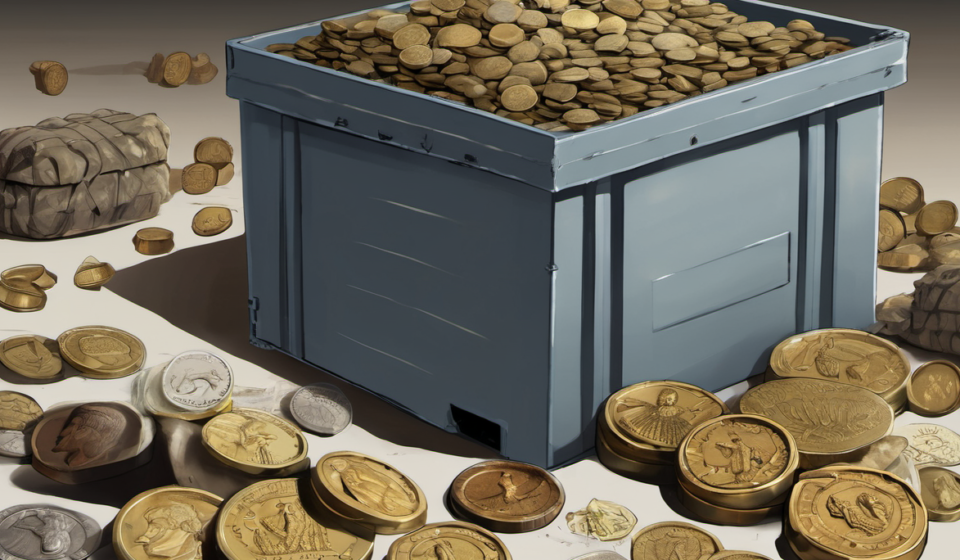
A surprising discovery at a Swedish military base on the island of Gotland has sparked intrigue among numismatists and historians alike. The hoard, consisting of 16 Roman coins, showcases five emperors and four empresses from the second century A.D. However, two of the coins have raised eyebrows, as experts believe they might be modern fakes originating from Ukraine.
Unearthing a Roman Legacy
The find came to light during routine maintenance work at the base, where workers uncovered a sealed container filled with ancient silver coins. The collection spans the reigns of emperors such as Marcus Aurelius and Commodus, and empresses like Faustina the Younger and Vibia Sabina. The coins are notable for their intricate designs and the historical context they provide about Roman influence in the Baltic region.
Experts Question Two Coins
While the majority of the hoard is considered authentic, two coins exhibit characteristics that diverge from typical Roman minting practices. Chemical analysis and stylistic comparison suggest that these pieces may have been produced in recent years, possibly in Ukraine. The suspected forgeries display subtle differences in metal composition and die marks that do not align with known Roman prototypes.
Implications for Historical Research
If the two coins are indeed modern forgeries, the hoard’s overall historical value remains significant but requires careful contextualization. Scholars emphasize the importance of rigorous authentication processes to preserve the integrity of archaeological findings. The discovery also highlights the ongoing challenges of counterfeit artifacts in the global market.
What This Means for Travelers
For those planning a visit to Gotland, the site of the find offers a unique glimpse into the island’s layered history. While the military base itself is not open to the public, nearby museums feature exhibitions on Roman artifacts and the broader narrative of Roman expansion into northern Europe.
Source: Fox News Travel
Watch and listen free on JASTORM – Follow radio and video broadcasts free in the JASTORM app with your free account.