Iranian Ghost Fleet Evades U.S. Blockade to Deliver LPG to China
Iranian Ghost Fleet Evades U.S. Blockade to Deliver LPG to China
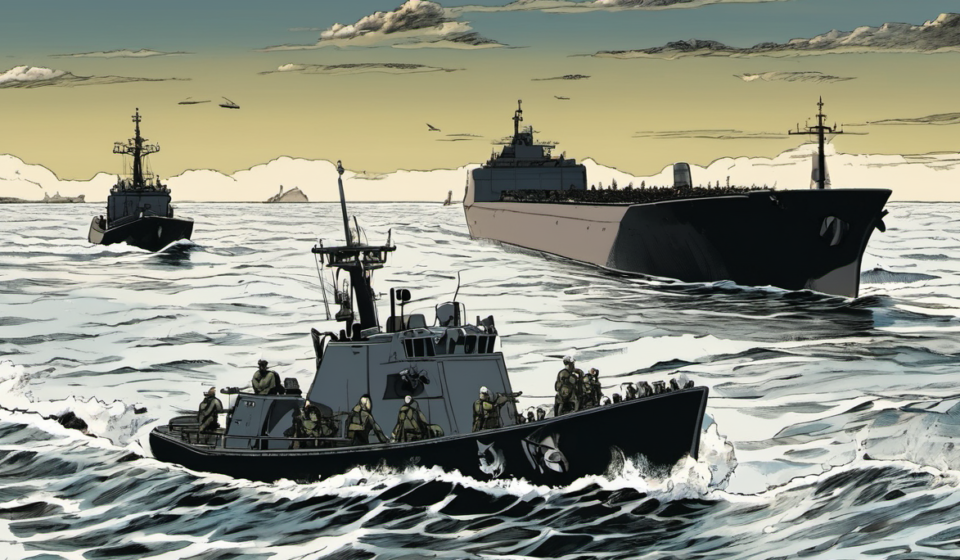
In a daring maritime maneuver, a group of small Iranian tankers—often referred to as a “ghost fleet”—was filmed bypassing a U.S. naval blockade. The vessels, carrying liquefied petroleum gas (LPG) that is subject to U.S. sanctions, rerouted through a shadowy anchorage in Malaysia before heading toward China, UANI reports.
How the Ghost Fleet Operates
Unlike larger, well‑known Iranian shipping, these smaller tankers are designed for stealth. They use low‑profile hulls and minimal electronic signatures to reduce detection by satellite and radar. The convoy’s route was carefully plotted to avoid the main U.S. patrol zones in the Gulf of Oman and the Arabian Sea.
Strategic Significance of LPG Shipping
LPG is a critical commodity for many Asian economies, especially for power generation and industrial processes. By shipping it to China, Iran not only sidesteps U.S. sanctions but also strengthens economic ties with a key regional partner. The move underscores the broader geopolitical contest between the U.S. and Iran over influence in the Middle East and beyond.
U.S. Naval Response and Challenges
While the U.S. Navy maintains a robust presence in the region, the sheer number of small vessels and their ability to blend into commercial traffic make interdiction difficult. The incident highlights the limitations of current maritime surveillance and the need for enhanced detection technologies.
Implications for International Trade
Should the U.S. continue to enforce sanctions, Iran may increasingly rely on such covert operations to maintain its export revenues. This could prompt other sanctioned nations to adopt similar tactics, potentially destabilizing global shipping lanes and complicating enforcement efforts.
For more details, read the full report on Fox News.
Unlock JASTORM media – Create a free JASTORM account, then subscribe for JASTORM media, games, JATANIUM watermarking, and CASICOMO.