
UK Campaign Seeks Pardon for 5,000 Women Executed for Witchcraft
UK Campaign Seeks Pardon for 5,000 Women Executed for Witchcraft
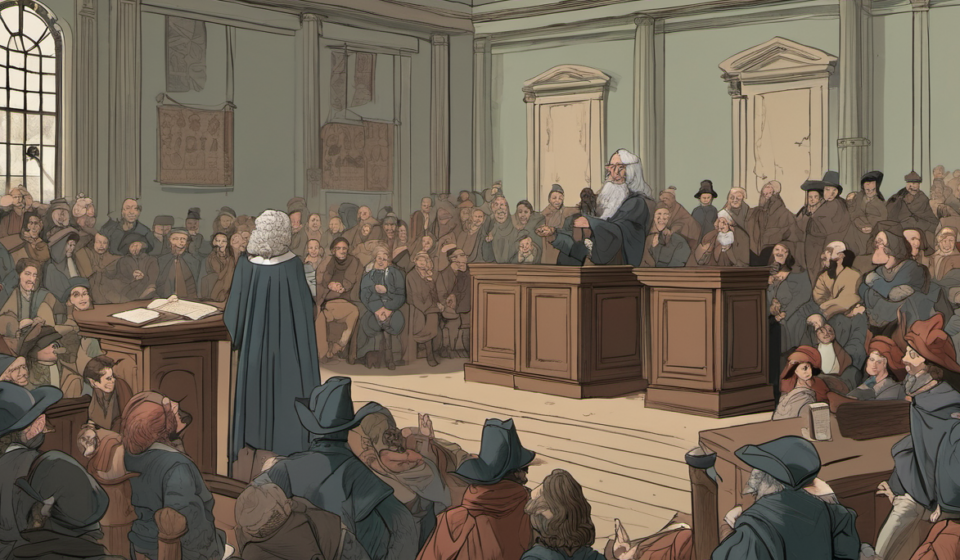
Across England and Scotland, roughly 5,000 women were convicted of witchcraft and executed—some by hanging, others by burning—between the 16th and 18th centuries. A growing movement now calls for a formal pardon to acknowledge the injustice and restore dignity to those who suffered under a misguided legal system.
Historical Context of Witch Trials in Britain
Witch trials in Britain were fueled by superstition, fear, and a legal framework that treated alleged witchcraft as a capital offense. The Witchcraft Act of 1604 in England, and similar statutes in Scotland, made accusations of witchcraft punishable by death. Over the centuries, thousands of women—often marginalized, elderly, or outspoken—were accused, tried, and executed.
The Numbers Behind the Tragedy
Historical records estimate that about 5,000 women were executed for witchcraft across the UK. While some were hanged, many were burned, reflecting the brutal methods of the era. These executions were not isolated incidents but part of a broader pattern of gendered persecution.
Modern Advocacy for Pardon
Today, historians, activists, and legal scholars are pushing for a formal pardon. The campaign argues that the executions were based on false accusations and a flawed legal system that targeted women. A pardon would serve as a symbolic act of reconciliation, acknowledging the wrongful deaths and offering closure to descendants.
Legal and Moral Implications
Legally, a pardon would not overturn the historical verdicts but would provide an official statement that the convictions were unjust. Morally, it would recognize the suffering of the victims and the systemic bias that allowed such injustices to occur. The movement also highlights the importance of historical memory and the need to confront uncomfortable pasts.
Public Response and Support
Supporters of the pardon include academic institutions, women’s rights groups, and some members of Parliament. Critics argue that the effort may be symbolic without tangible legal consequences. Nonetheless, the campaign has sparked renewed interest in the witch trials and their impact on modern society.
Next Steps for the Campaign
The movement plans to lobby Parliament for a formal pardon and to raise public awareness through educational programs and media coverage. By bringing the issue to the forefront, advocates hope to ensure that the stories of these women are not forgotten.
Source: CBS News
Watch and listen free on JASTORM – Follow radio and video broadcasts free in the JASTORM app with your free account.