
Farm Automation Sparks Worker Concerns Over Job Security
Farm Automation Sparks Worker Concerns Over Job Security
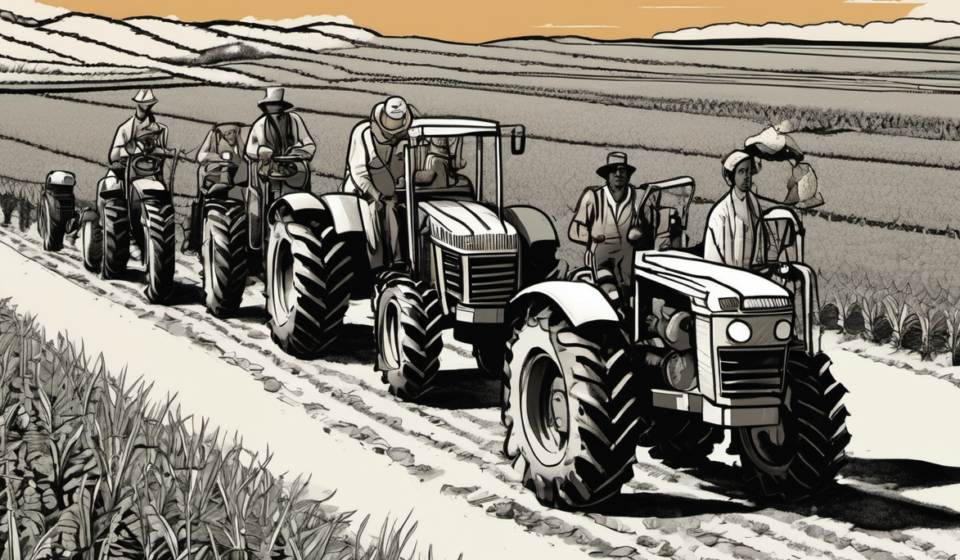
Across the United States, the rise of automated machinery in agriculture is prompting a debate about the future of farm labor. While technology promises higher efficiency, many migrant workers worry that their jobs—and the communities that depend on them—could disappear.
Technology on the Front Lines
Companies like Ford are investing in autonomous tractors, robotic harvesters, and sensor‑driven irrigation systems. These innovations aim to reduce labor costs and increase crop yields, especially in regions where labor shortages are acute.
Voices from the Field
Farmworkers, many of whom are immigrants, express unease about the shift. They point out that machines can work longer hours and do not require breaks, which could make human labor less competitive. The fear is not just about job loss but also about the erosion of the social fabric that surrounds seasonal work.
Economic and Social Implications
Beyond individual employment, the automation trend could reshape rural economies. Small farms that rely on migrant labor may struggle to compete with larger, tech‑savvy operations. Additionally, the loss of seasonal jobs could impact local businesses that depend on the income generated by farmworkers.
Policy and Advocacy Responses
Advocacy groups are calling for policies that balance technological progress with protections for workers. Proposed measures include training programs for displaced labor, wage safeguards, and incentives for farms that maintain a human workforce.
Looking Ahead
As automation becomes more prevalent, stakeholders must collaborate to ensure that technological gains do not come at the expense of vulnerable workers. The conversation is just beginning, and the outcomes will shape the future of American agriculture.
Source: CBS News
Watch and listen free on JASTORM – Follow radio and video broadcasts free in the JASTORM app with your free account.