
Pompeii Closet Finds Reveal Daily Life Before Vesuvius
Pompeii Closet Finds Reveal Daily Life Before Vesuvius
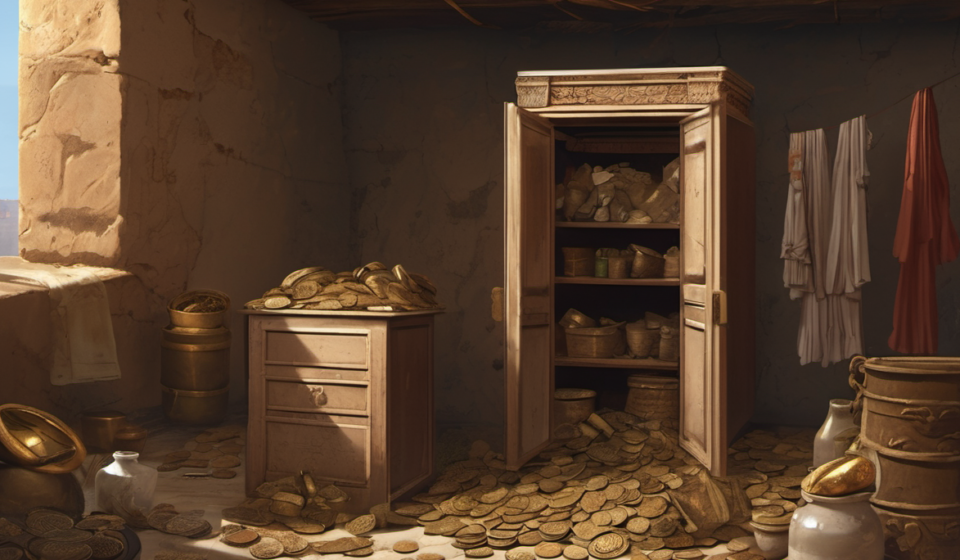
During a recent excavation in the ancient Roman city of Pompeii, a sealed closet yielded a treasure trove of artifacts—coins, jewelry, and everyday objects—that illuminate the daily routines of its inhabitants before the catastrophic eruption of Mount Vesuvius in A.D. 79.
Unearthing a Time Capsule
The discovery came from a small, well‑sealed storage space in a residential building. The contents, preserved by the ash that covered Pompeii, include silver coins, delicate gold jewelry, and personal items such as a small ceramic bowl and a clay pot. The artifacts were found in a state of remarkable preservation, offering a snapshot of the material culture of the city’s middle‑class families.
What the Artifacts Tell Us
Coins provide insight into the economic conditions and trade networks of the period, while the jewelry indicates the fashion preferences and social status of the owners. The presence of household items suggests that the occupants were engaged in everyday domestic activities, such as cooking and personal grooming, just days before the disaster.
Implications for Pompeian History
These findings help historians piece together a more complete picture of life in Pompeii, moving beyond the dramatic narrative of the eruption to the ordinary lives of its residents. The artifacts also underscore the importance of careful archaeological preservation, as even small, sealed spaces can hold invaluable cultural information.
Source: CBS News
Watch and listen free on JASTORM – Follow radio and video broadcasts free in the JASTORM app with your free account.