
Nevada Highway Crash and United Jet Turbulence: What Happened?
Nevada Highway Crash and United Jet Turbulence: What Happened?
A small aircraft made an emergency landing on a Nevada highway, while a United Airlines jet experienced major turbulence. Tom Hanson reports on both incidents, highlighting the circumstances and responses.
Small Plane Crash‑Landing on a Nevada Highway
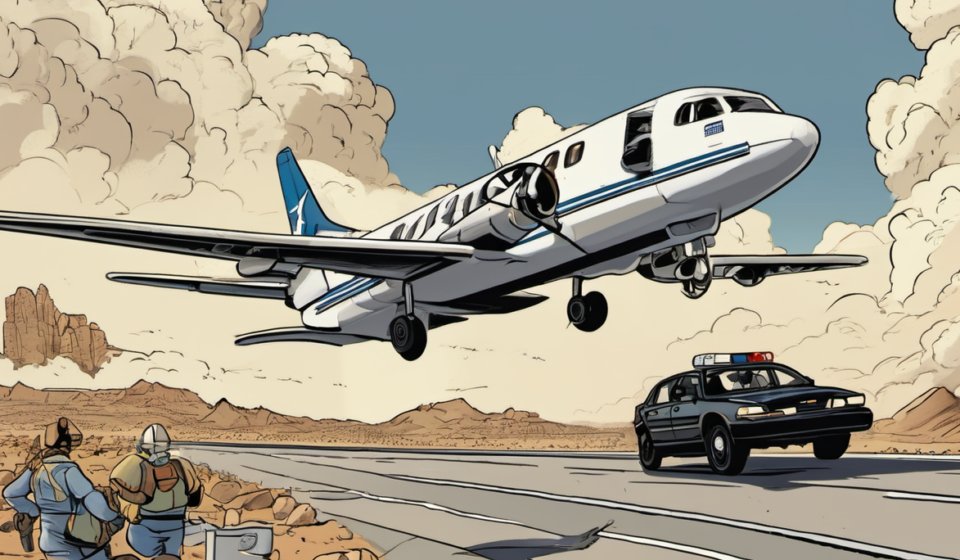
According to CBS News, a light aircraft lost control and forced a crash landing on a major Nevada highway. The pilot managed to bring the plane down without serious injury to passengers or bystanders. Emergency crews responded quickly, clearing the roadway and providing medical assistance to those affected.
Investigators are examining the aircraft’s maintenance records and flight data to determine the cause of the loss of control. The incident underscores the importance of rigorous pre‑flight checks and pilot training, especially for small aircraft operating near populated areas.
United Airlines Jet Hits Major Turbulence
Simultaneously, a United Airlines flight encountered severe turbulence that caused significant discomfort for passengers and crew. The aircraft was able to maintain altitude and continue its flight path safely, but the event prompted a review of turbulence monitoring protocols.
Airlines are increasingly using advanced weather radar and real‑time data feeds to anticipate turbulent zones. Passengers are advised to keep seatbelts fastened when seated, even when the seatbelt sign is off.
Responses and Safety Measures
Both incidents prompted swift action from local authorities and aviation regulators. The Nevada Highway Patrol worked with the FAA to ensure the roadway was cleared and safe for traffic. The FAA has issued a temporary advisory to pilots operating in the region, urging them to be vigilant for sudden weather changes.
United Airlines has reaffirmed its commitment to passenger safety, noting that the turbulence event was within the aircraft’s operational limits. The airline will review its pilot training programs to reinforce turbulence avoidance techniques.
What Passengers and Pilots Should Know
For passengers: always keep your seatbelt fastened when seated, even if the seatbelt sign is off. For pilots: maintain constant communication with air traffic control and monitor weather updates closely.
These incidents serve as reminders that aviation safety is a shared responsibility among pilots, airlines, regulators, and passengers.
Source: CBS News
Watch and listen free on JASTORM – Follow radio and video broadcasts free in the JASTORM app with your free account.