
Reintroduced Arctic Grayling Revive Michigan Streams
Reintroduced Arctic Grayling Revive Michigan Streams
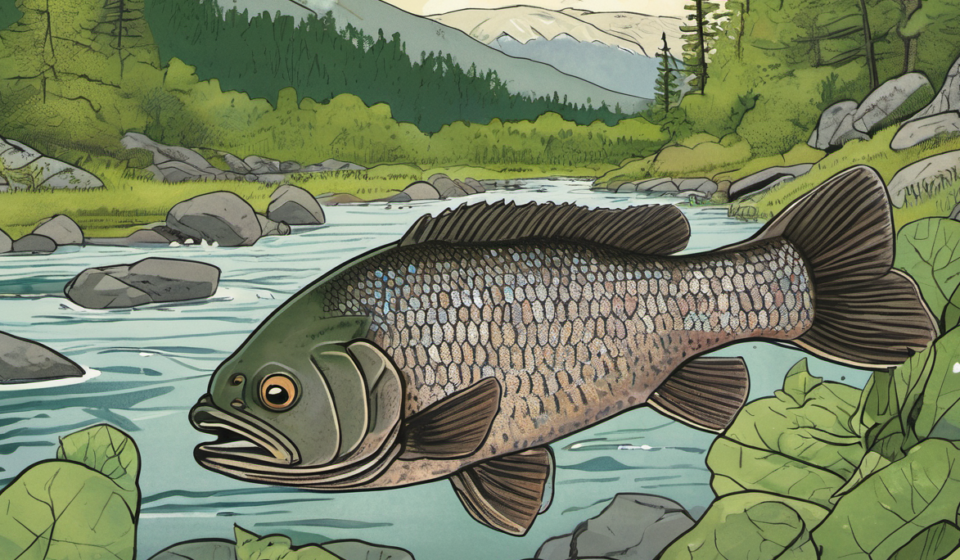
Michigan’s Traverse City streams are once again home to the Arctic grayling, a fish that had disappeared from the region for decades. The reintroduction program, highlighted in a recent CBS News video, showcases the species swimming freely in its new habitat and underscores the importance of conservation efforts in the Upper Peninsula.
Why the Arctic Grayling Matters
The Arctic grayling (Thymallus arcticus) is a charismatic freshwater fish known for its striking orange dorsal fin and silver body. Native to northern North America, it once thrived in Michigan’s cold, clear streams. Habitat loss, pollution, and overfishing led to its local extinction. Reintroducing the species helps restore ecological balance, supports native biodiversity, and offers recreational fishing opportunities for local communities.
Reintroduction Efforts Near Traverse City
In 2023, the Michigan Department of Natural Resources partnered with local conservation groups to release Arctic grayling into the streams surrounding Traverse City. The program involved careful selection of suitable water bodies, monitoring of water quality, and ongoing population assessments. The CBS News video, filmed by Justin Grubb, captures the moment when the grayling first swims in its new home, providing a visual testament to the success of the initiative.
Community and Ecological Impact
Local anglers and residents have welcomed the return of the grayling, noting both the aesthetic beauty of the fish and the potential for new fishing experiences. Ecologically, the grayling’s presence helps control insect populations and contributes to nutrient cycling within the stream ecosystem. Scientists continue to track the population’s growth and health to ensure long-term viability.
How You Can Support Conservation
Conservation efforts rely on public support. You can help by participating in citizen science projects, supporting local wildlife organizations, or simply spreading awareness about the importance of preserving native species. Every action contributes to a healthier, more resilient ecosystem.