
Venice 2026: ‘Too Much Sugar’ Shows Storytelling’s True Power
Venice 2026: ‘Too Much Sugar’ Shows Storytelling’s True Power
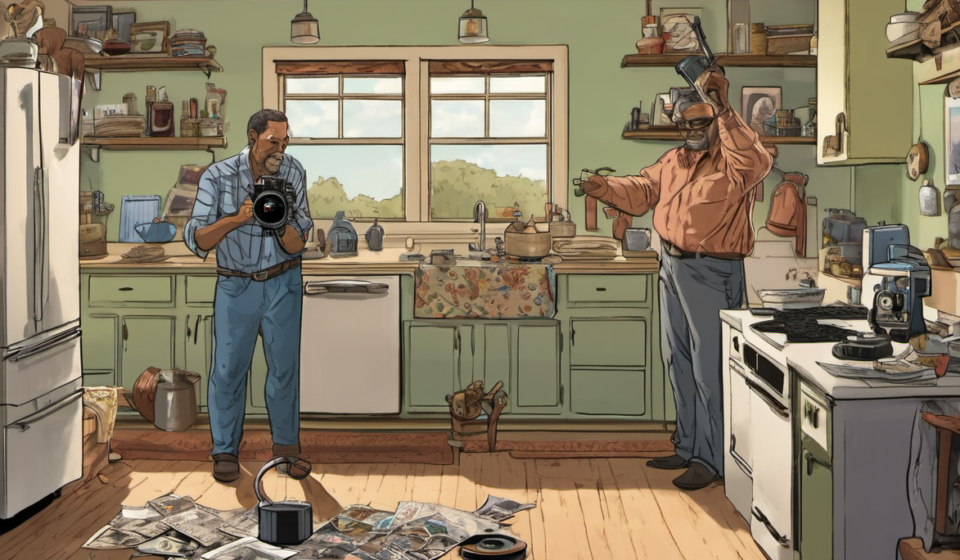
At the 2026 Venice Film Festival, Robert Greene’s hybrid documentary Too Much Sugar made a quiet yet resonant impact. The film follows two fathers from a small Missouri town as they confront their own toxic masculinity by making a movie about themselves and their families. Greene’s meta‑approach turns the act of filmmaking into a therapeutic exercise, suggesting that the stories we tell can be the very catalyst for personal transformation.
From the Festival to the Screen
Premiering in the Orizzonti section, the film feels more like a Sundance indie than a traditional Venice entry. Its raw, documentary‑style narrative blends personal confession with broader social critique, a hallmark of Greene’s work. The film’s title, a playful nod to the sweetness of storytelling, hints at the idea that narrative can be both comforting and transformative.
Confronting Toxic Masculinity Through Self‑Reflection
Greene’s protagonists—two “manly” fathers—use the camera as a mirror. By documenting their own lives, they expose the generational hurt that stems from their deadbeat fathers. The film’s central premise is simple yet profound: to change the world, we must first change ourselves. The fathers’ journey from denial to acceptance is captured in intimate interviews, home footage, and candid moments that feel both universal and deeply personal.
The Power of Meta‑Filmmaking
What sets Too Much Sugar apart is its self‑referential structure. The film is a film about making a film, blurring the line between subject and creator. This meta‑layer invites viewers to question their own role in storytelling and to consider how narratives shape identity. Greene’s choice to let the subjects guide the narrative gives the film an authenticity that resonates with audiences who have long felt that cinema can be a vehicle for change.
Impact Beyond the Screen
While the film may not have delivered a sweeping cinematic spectacle, its lasting impact lies in the conversations it sparks. Viewers leave the theater reflecting on their own family dynamics and the stories they carry. The film’s subtle, thoughtful approach demonstrates that storytelling can be a quiet yet powerful force for personal growth and societal healing.
Why It Matters Now
In an era where media often feels commodified, Too Much Sugar reminds us that cinema can still be a tool for introspection and change. By confronting toxic masculinity head‑on, the film offers a blueprint for how individuals can use narrative to break cycles of hurt and build healthier relationships.
For more on this groundbreaking film, visit First Showing.