German Chancellor Faces Crisis as Far‑Right AfD Gains Momentum
German Chancellor Faces Crisis as Far‑Right AfD Gains Momentum
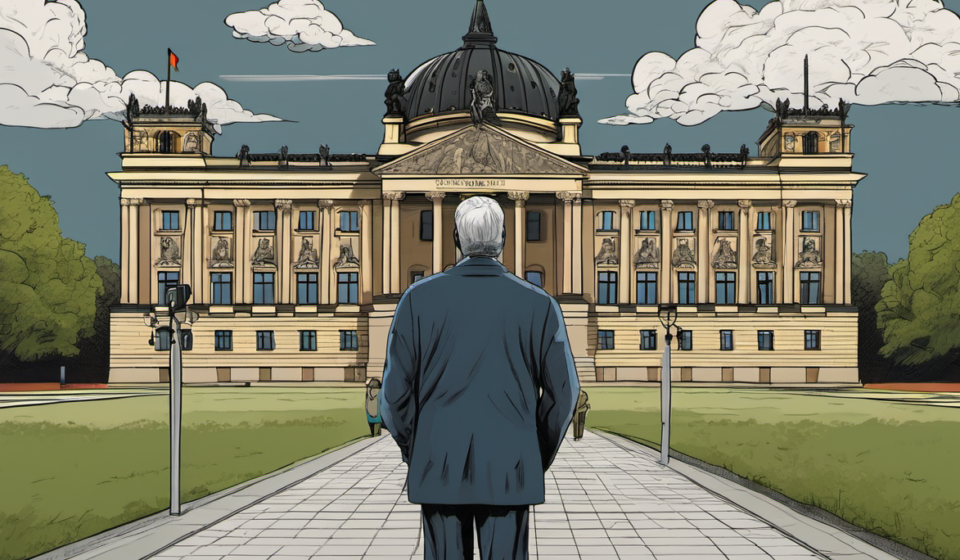
In the midst of a political storm, German Chancellor Friedrich Merz is confronting a profound “crisis of authority and leadership” as the far‑right Alternative for Germany (AfD) rallies support amid growing immigration concerns. The surge threatens to reshape the country’s political landscape and test Merz’s ability to steer a coalition through turbulent waters.
AfD’s Rising Tide: A Reflection of Public Anxiety
The AfD’s recent electoral gains are not merely a fringe phenomenon; they echo a broader unease about immigration and national identity. Voters who feel left behind by rapid demographic changes are turning to a party that promises stricter border controls and a return to traditional values. This shift has amplified pressure on Merz, who must balance the demands of a diverse coalition while maintaining public trust.
Merz’s Leadership Under Scrutiny
Merz’s tenure has been marked by attempts to consolidate power and push forward a conservative agenda. However, the current climate has exposed cracks in his leadership. Critics argue that his responses to immigration policy have been inconsistent, leaving many feeling uncertain about Germany’s direction. The resulting “crisis of authority” is evident in declining approval ratings and increased calls for decisive action.
Coalition Dynamics and the Road Ahead
Germany’s coalition government, comprising the Christian Democratic Union (CDU), the Social Democratic Party (SPD), and the Greens, faces internal friction as each party navigates the AfD’s rise. Merz must negotiate compromises that satisfy his partners while addressing the electorate’s concerns. Failure to do so could lead to a fragmentation of the coalition and a potential shift toward more extreme political forces.
Implications for European Politics
The AfD’s momentum in Germany carries implications beyond its borders. As a key player in the European Union, Germany’s political stability is crucial for broader EU policy coherence. A weakened German government could ripple through EU decision‑making, especially on migration and security matters.
Looking Forward
Merz’s next steps will be pivotal. Whether he can rally his coalition, present a clear immigration strategy, and restore public confidence will determine not only his political survival but also the future trajectory of German democracy. The coming months will reveal whether the current crisis can be transformed into an opportunity for renewal or whether it will deepen the divide.
Source: CBS News
Watch and listen free on JASTORM – Follow radio and video broadcasts free in the JASTORM app with your free account.