
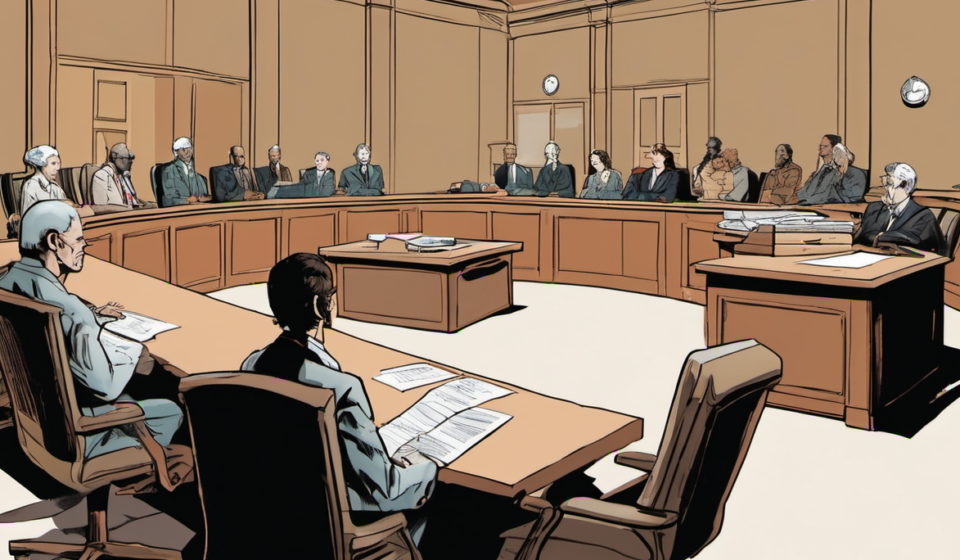
Clancy Trial: Juror’s ‘Reasonable Doubt’ Yet No Insanity Verdict
Clancy Trial: Juror’s ‘Reasonable Doubt’ Yet No Insanity Verdict
In the high‑profile trial of Lindsay Clancy, three jurors admitted they had reasonable doubt about the defendant’s guilt, yet they refused to deliver a not‑guilty‑by‑insanity verdict. The foreperson’s statement highlights the tension between personal uncertainty and the legal thresholds required for an insanity acquittal.
Background of the Case
Lindsay Clancy was charged with the murder of her husband, a case that attracted national attention. The prosecution presented evidence suggesting a pre‑meditated act, while the defense argued that Clancy suffered from a severe mental disorder that impaired her judgment at the time of the crime.
Juror Confessions of Doubt
During deliberations, three jurors openly acknowledged that they had reasonable doubt regarding Clancy’s intent and state of mind. According to the foreperson, these jurors felt uncertainty about whether the evidence proved beyond a reasonable doubt that Clancy was fully responsible for her actions.
Why the Insanity Verdict Was Rejected
Despite their doubts, the jurors ultimately rejected a not‑guilty‑by‑insanity verdict. The foreperson explained that the legal standard for insanity is higher than mere reasonable doubt. It requires a demonstration that the defendant was unable to understand the nature or wrongfulness of their conduct at the time of the offense.
Implications for Jury Deliberations
The outcome underscores the complexity of jury decision‑making. Jurors must balance personal uncertainty with strict legal criteria, and even when doubt exists, it does not automatically translate into an insanity acquittal. This case may prompt discussions about how juries interpret mental health evidence and the thresholds for different verdicts.
Next Steps in the Legal Process
Clancy’s defense team has indicated that they will appeal the verdict, arguing that the jury failed to properly consider the mental health evidence. The appellate court will review whether the jury’s decision adhered to the law and whether the evidence presented was sufficient for an insanity defense.
Read the full Fox News article.
Watch and listen free on JASTORM: Follow radio and video broadcasts free in the JASTORM app with your free account.