
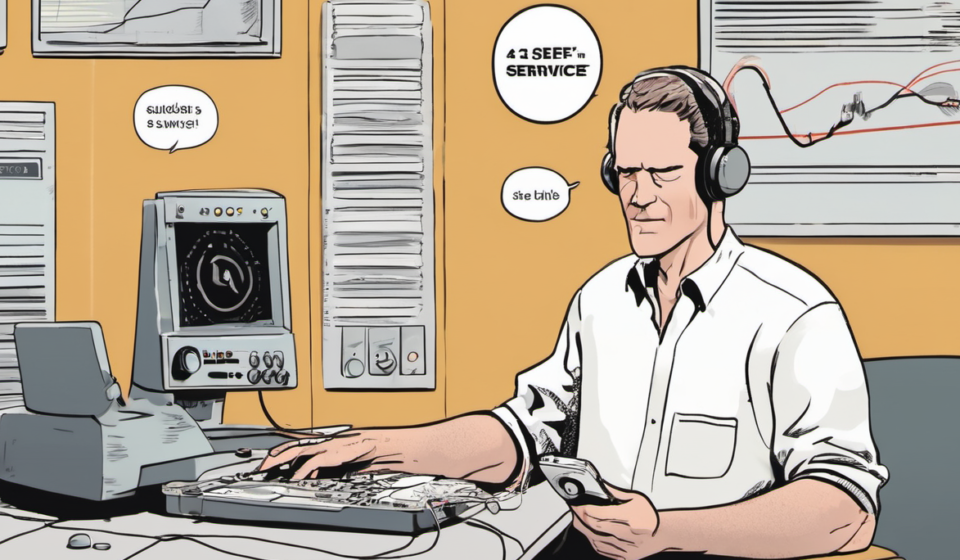
Whispering Feedback: How Voice Notes Could Replace Email Surveys
In a world where customers crave instant, frictionless communication, a new tool called Voicebox is turning the humble phone into a feedback hub. Instead of filling out lengthy surveys or waiting on hold, users can simply whisper a complaint or suggestion into their device, and the company receives a clear, human‑tone response.
From Email to Ear: The Shift in Feedback Channels
Traditional customer feedback methods—email surveys, paper forms, or automated phone trees—often suffer from low response rates and delayed action. Voicebox flips the script by leveraging the natural way people express themselves: voice. The app records a short audio clip, transcribes it, and routes it to the relevant support team, enabling quicker, more empathetic responses.
How Voicebox Works
Users tap a button in the Voicebox interface, speak their concern, and hit send. Behind the scenes, advanced speech‑to‑text algorithms convert the audio into searchable text, while sentiment analysis flags urgency. The result is a streamlined workflow that reduces the time from complaint to resolution.
Benefits for Businesses and Customers Alike
For companies, the platform cuts down on manual data entry and speeds up issue triage. For customers, it eliminates the need to type or navigate complex menus, making feedback feel more personal and immediate. Early adopters report higher engagement rates and a noticeable drop in unresolved tickets.
Privacy and Security Considerations
Voicebox stores recordings in encrypted cloud storage and offers users the option to delete their clips after a set period. Companies can configure retention policies to comply with industry regulations, ensuring that sensitive information remains protected.
Future Outlook
As AI continues to refine natural language processing, tools like Voicebox could become standard in customer service suites. The ability to capture authentic, spoken feedback may unlock deeper insights into customer sentiment, paving the way for more proactive support strategies.
Source: Wired