Targeting in College Football: Rule Changes and Their Impact
Targeting in College Football: Rule Changes and Their Impact
College football’s targeting rule—intended to protect players from dangerous hits—has sparked debate since its introduction. The latest 2026 adjustments sharpen the penalty, making it harder for teams to escape a forced ejection and increasing the stakes for every tackle. This article breaks down the rule, the new changes, and why they matter for athletes, coaches, and fans alike.
What Exactly Is Targeting?
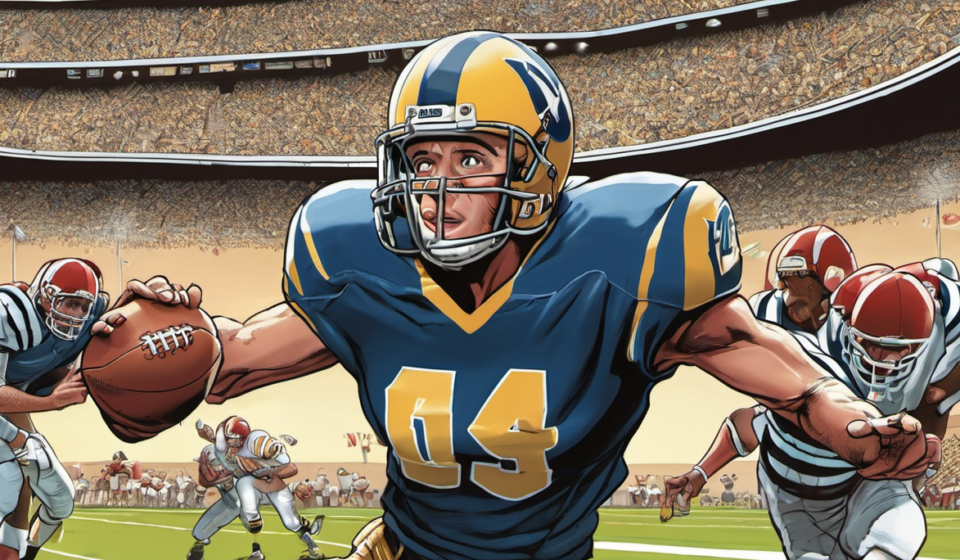
Targeting is a penalty that occurs when a player makes forcible contact with an opponent’s crown or head, or when a player hits an opponent in the head or neck area with a helmet or shoulder pad. The rule is designed to reduce head injuries and promote safer play. If a player is called for targeting, they are ejected from the game, and the team may lose a down.
Key 2026 Rule Changes
The 2026 season introduced several significant updates:
- Stricter Ejection Criteria: Officials now have a broader range of scenarios that trigger ejection, including hits that are deemed “unnecessary” or “excessive.”
- Increased Penalty Severity: Teams lose a down for a targeting call, regardless of whether the hit was on the first or second down. This change emphasizes the seriousness of the offense.
- Revised Replay Review: The replay window for targeting has been extended, allowing more time for officials to review the play and ensure accurate calls.
These adjustments aim to deter dangerous tackles and reinforce the rule’s protective intent.
Impact on Players and Coaches
For players, the new penalties mean that a single reckless hit can end their season. Coaches must adjust training to emphasize proper tackling technique and head‑first avoidance. Teams are also investing more in player safety education, knowing that a targeting call can cost them a game‑winning down.
Fan Perspective and Game Flow
While safety advocates applaud the stricter enforcement, some fans worry about the potential for over‑penalization and the impact on game excitement. The balance between protecting athletes and maintaining the sport’s intensity remains a central debate.
Looking Ahead
As the 2026 season unfolds, analysts will monitor whether the harsher penalties reduce head injuries and alter play styles. The rule’s evolution reflects a broader shift toward prioritizing player health in college football.
Source: FoxSports.com
Watch and listen free on JASTORM – Follow radio and video broadcasts free in the JASTORM app with your free account.