
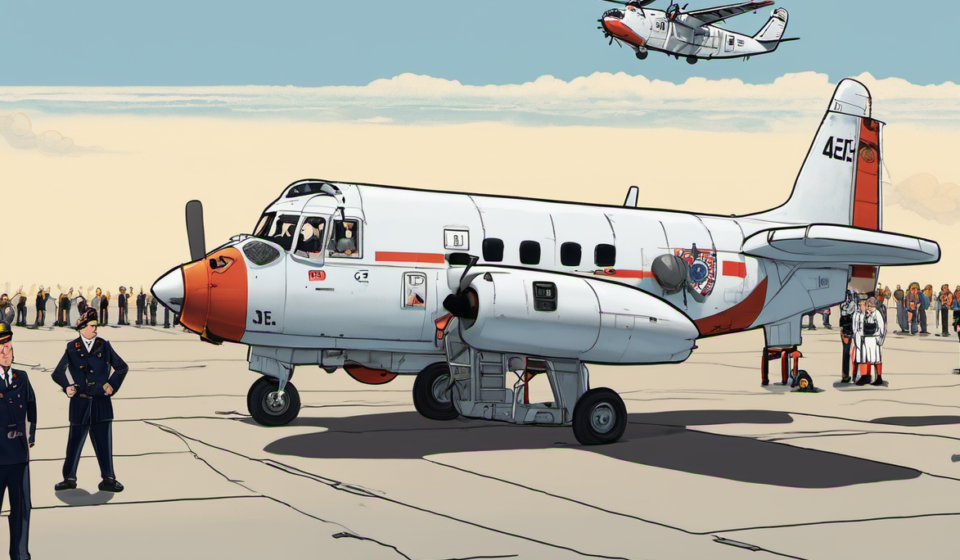
Coast Guard Pilot Makes Routine Emergency Landing After Engine Failure
Coast Guard Pilot Makes Routine Emergency Landing After Engine Failure
When a single‑engine failure occurred on a Coast Guard aircraft, the pilot handled the emergency with calm precision, turning a potentially dangerous situation into a textbook example of aviation professionalism.
Engine Failure Forces Immediate Decision
The incident happened during a routine flight when one of the aircraft’s engines failed. The pilot, identified as Mark W. Mullin, immediately assessed the situation and decided to return to the nearest suitable airfield for an emergency landing.
Professionalism Under Pressure
According to a statement posted on X, Mullin described the landing as “routine.” He emphasized that there was no panic, only straight professionalism. The pilot’s calm demeanor and decisive actions ensured the safety of everyone on board.
Coast Guard’s Commitment to Safety
The United States Coast Guard has long prioritized rigorous training and emergency preparedness. This incident underscores the effectiveness of that training, as the pilot’s quick response prevented a potentially serious accident.
What Happens After an Emergency Landing?
Following the landing, the aircraft was inspected for damage, and the crew was debriefed. The Coast Guard’s standard operating procedures dictate thorough post‑incident reviews to identify any areas for improvement and to reinforce best practices.
Public Response and Media Coverage
The event was covered by CBS News, which highlighted the pilot’s composure and the Coast Guard’s commitment to safety. Public reaction has been largely positive, with many praising the pilot’s professionalism.
For more details, read the full CBS News article: Coast Guard Plane Mark W. Mullin Emergency Landing.
Watch and listen free on JASTORM – Follow radio and video broadcasts free in the JASTORM app with your free account.