AI‑Generated Pet Photos Threaten Internet’s Cute Animal Culture
AI‑Generated Pet Photos Threaten Internet’s Cute Animal Culture
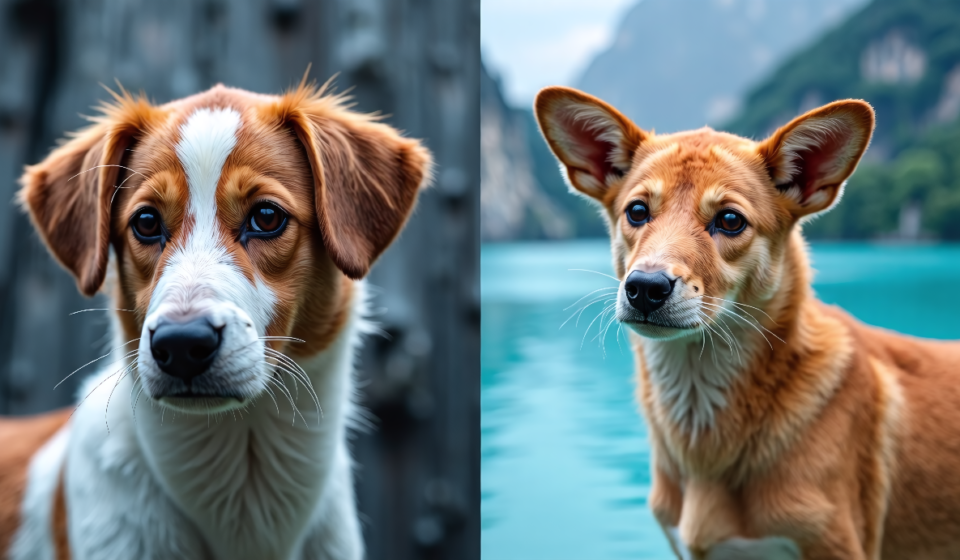
Artificial‑intelligence tools that can create convincing images of animals are making it harder for online audiences to tell whether a photo of a polar bear, a kitten, or a rescued bird is real. Pet owners, rescue agencies, and wildlife organizations are calling for new safeguards to protect the authenticity of animal imagery that fuels the internet’s beloved “cute‑animal” economy.
When “Cute” Becomes a Question of Authenticity
Social media platforms have long been a haven for heart‑warming animal content. A single adorable photo can spark viral trends, raise funds for shelters, or raise awareness for endangered species. But the rise of generative AI models that can produce hyper‑realistic images has introduced a new layer of uncertainty. Users can no longer rely on visual cues alone to verify that a photo depicts an actual animal rather than a computer‑generated fabrication.
Stakeholders Urge for Clear Labeling and Verification
Pet owners who share pictures of their dogs and cats on Instagram and TikTok are concerned that AI‑generated images could dilute the trust in their own posts. Rescue agencies, which depend on authentic photos to attract adopters, fear that fake images could mislead potential adopters or divert attention from real animals in need. Wildlife groups, too, worry that fabricated images of endangered species could spread misinformation and undermine conservation efforts.
Potential Consequences for the Online Animal Economy
Beyond the ethical concerns, the proliferation of AI‑generated animal photos could have tangible economic impacts. Brands that sponsor pet‑related content may hesitate to partner with creators whose images cannot be verified. Fundraisers that rely on emotional appeal could see reduced engagement if audiences suspect that the highlighted animals are not real. Moreover, the credibility of scientific and educational content featuring wildlife could be compromised if viewers cannot distinguish authentic footage from AI‑fabricated imagery.
What Safeguards Are Being Proposed?
Experts suggest a multi‑layered approach. First, platforms could implement mandatory metadata tagging that indicates whether an image was generated by AI. Second, a verification system—similar to the “verified” badge for public figures—could be extended to animal images, ensuring that only photos from reputable shelters or wildlife organizations receive an authenticity seal. Finally, educational campaigns could raise public awareness about the prevalence of AI‑generated imagery and teach users how to spot potential fakes.
Looking Ahead: Balancing Innovation and Integrity
AI technology offers exciting possibilities for creative expression and scientific visualization. However, the current wave of AI‑generated animal imagery underscores the need for responsible deployment. By establishing clear labeling standards and verification protocols, the online community can preserve the trust that underpins the beloved culture of cute animal content while still embracing technological progress.
Source: Wired
Explore AI integration, technology consulting, and IT services from American Tech Consultants.
Explore American Tech Consultants
Explore AI integration, technology consulting, and IT services from American Tech Consultants. Explore American Tech Consultants.