
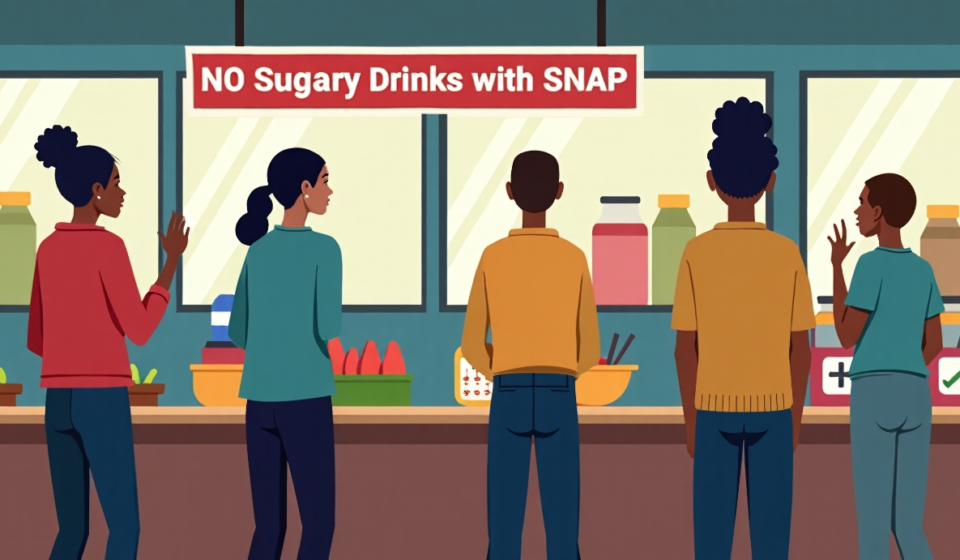
SNAP Soda Ban Cuts Sales but Raises Stigma Concerns
SNAP Soda Ban Cuts Sales but Raises Stigma Concerns
Restricting the use of Supplemental Nutrition Assistance Program (SNAP) benefits for sugary drinks has been shown to reduce soda purchases, but the policy also raises questions about stigma and equity.
What the Study Found
Researchers examined data from states that have prohibited the use of food stamps to buy sugary beverages. They found a measurable drop in soda sales among SNAP recipients, suggesting the restriction effectively curbs consumption of high‑sugar drinks.
Why the Policy Matters
High‑sugar beverages are linked to obesity, diabetes, and other health problems. By limiting access, the policy aims to promote healthier choices for low‑income households. However, the study also highlighted that the ban may inadvertently create a sense of shame or discrimination among participants.
Stigma and Fairness Concerns
Some SNAP users reported feeling singled out or embarrassed when they could no longer purchase soda with their benefits. Critics argue that the restriction could reinforce negative stereotypes about low‑income consumers and may not be the most effective way to improve nutrition.
Alternatives and Complementary Measures
Experts suggest that pairing the ban with educational campaigns, healthier product placement, and subsidies for nutritious foods could address both consumption patterns and stigma. They also call for more research to assess long‑term health outcomes.
Looking Ahead
As more states consider similar restrictions, policymakers will need to balance public health goals with the lived experiences of SNAP participants. The debate underscores the complexity of designing nutrition assistance programs that are both effective and respectful.
Source: CBS News
Watch and listen free on JASTORM – Follow radio and video broadcasts free in the JASTORM app with your free account.