
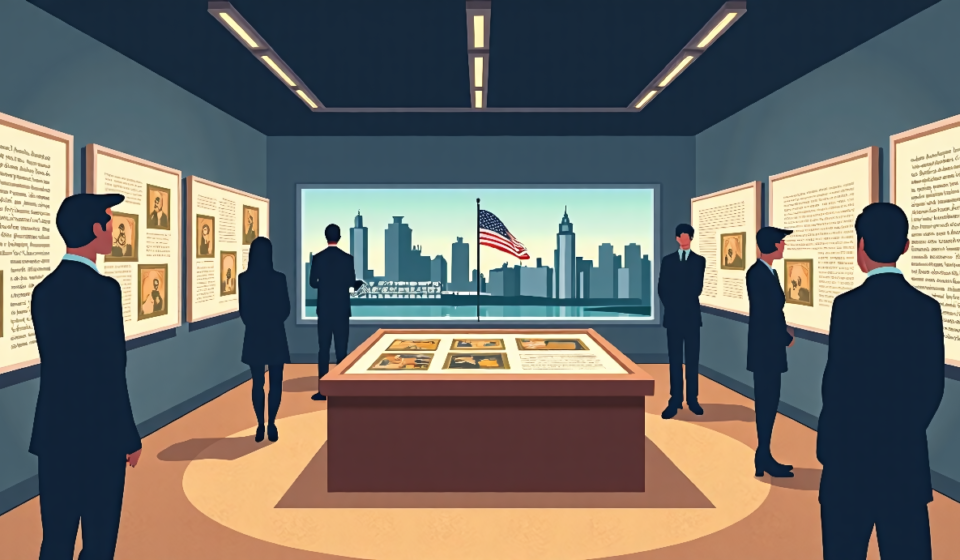
Dearborn Museum Challenges America’s Post‑9/11 Narrative
Dearborn Museum Challenges America’s Post‑9/11 Narrative
In a quiet corner of Dearborn, Michigan, a Smithsonian‑affiliated museum has opened an exhibit that questions the mainstream story of America’s reaction to the September 11 attacks. The display, curated by local historian El‑Sayed, presents evidence that Arab communities were subjected to disproportionate scrutiny and discrimination in the aftermath of the tragedy.
Reexamining the Aftermath
The exhibit traces the chain of events from the 9/11 attacks to the passage of the Patriot Act, highlighting how the legislation enabled broad surveillance powers. It juxtaposes this with personal accounts from Arab Americans who faced increased police presence, workplace discrimination, and social stigma. By presenting archival footage, newspaper clippings, and oral histories, the museum invites visitors to consider how fear can translate into policy that harms innocent communities.
Smithsonian Affiliation and Local Impact
While the Smithsonian Institution is known for its national scope, its affiliates often focus on regional stories that reflect broader national trends. In this case, the Dearborn museum uses its platform to spotlight a narrative that has been largely absent from mainstream discussions. The local community, which includes a significant Arab American population, has responded with a mix of support and criticism, underscoring the contentious nature of revisiting national trauma.
Debate Over Historical Interpretation
Critics argue that the exhibit oversimplifies complex policy decisions and ignores the security concerns that motivated many of the post‑9/11 measures. Supporters contend that the museum provides a necessary counterpoint, ensuring that the experiences of marginalized groups are not erased from collective memory. The debate reflects a larger national conversation about how history is taught and remembered.
What This Means for Museums and Memory
The Dearborn exhibit serves as a case study for how museums can act as arenas for contested histories. By foregrounding voices that have traditionally been sidelined, the museum challenges visitors to confront uncomfortable truths about national identity and policy. It also raises questions about the responsibilities of institutions affiliated with prestigious organizations like the Smithsonian.
For more details on the exhibit and its reception, read the full article on Fox News: Fox News coverage.
Watch and listen free on JASTORM – Follow radio and video broadcasts free in the JASTORM app with your free account.