
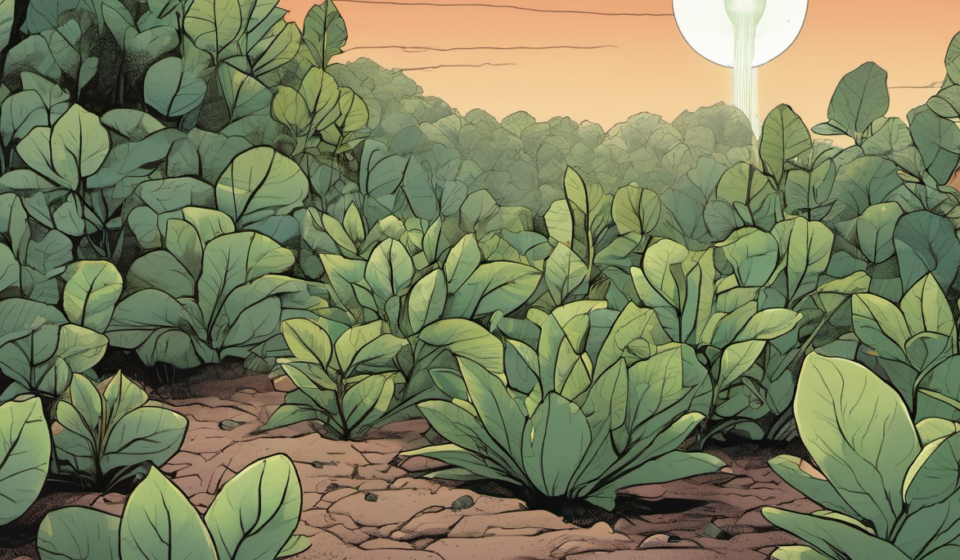
Plants Respond to Touch: The Science Behind Thigmomorphogenesis
Plants Respond to Touch: The Science Behind Thigmomorphogenesis
Recent research shows that plants, though they do not possess brains, have a sophisticated system that allows them to sense and respond to touch. This phenomenon, known as thigmomorphogenesis, reveals how plants adapt to their environment in ways that were once thought impossible.
What Is Thigmomorphogenesis?
Thigmomorphogenesis refers to the changes in plant growth and development triggered by mechanical stimuli such as wind, touch, or physical disturbance. Scientists have found that these stimuli can alter a plant’s shape, height, and even its internal signaling pathways.
How Plants “Feel” Without a Brain
Plants lack a central nervous system, yet they possess a network of cells that can detect pressure and transmit signals throughout the organism. When a plant is touched, specialized cells release chemical messengers that travel along the plant’s vascular system, prompting adjustments in growth patterns.
Robert Krulwich and Barnaby Dixon Explore the Science
In a recent CBS News segment, science journalist Robert Krulwich teamed up with puppeteer Barnaby Dixon to delve into the mechanics of thigmomorphogenesis. Their discussion highlighted how even subtle touches can influence plant behavior, and how this knowledge could inspire new approaches to agriculture and bioengineering.
Implications for Agriculture and Beyond
Understanding how plants respond to touch could lead to innovations in crop management, such as designing planting arrangements that minimize mechanical stress or developing new plant varieties that are more resilient to environmental forces.
Learn More and Stay Connected
To watch the full CBS News video and explore more about plant science, visit the original source. For additional insights and interactive content, check out JASTORM’s free broadcasts.
Watch and listen free on JASTORM – Follow radio and video broadcasts free in the JASTORM app with your free account.