
QR Code Scams in Doctor’s Offices: How Your Medicare Number Is Targeted
QR Code Scams in Doctor’s Offices: How Your Medicare Number Is Targeted
When you scan a QR code at a medical office, you might think you’re just accessing a website. In reality, some scammers are turning those codes into sophisticated phishing tools that leverage data brokers and people‑search websites to identify you by your Medicare number and other personal details.
How the Scam Works
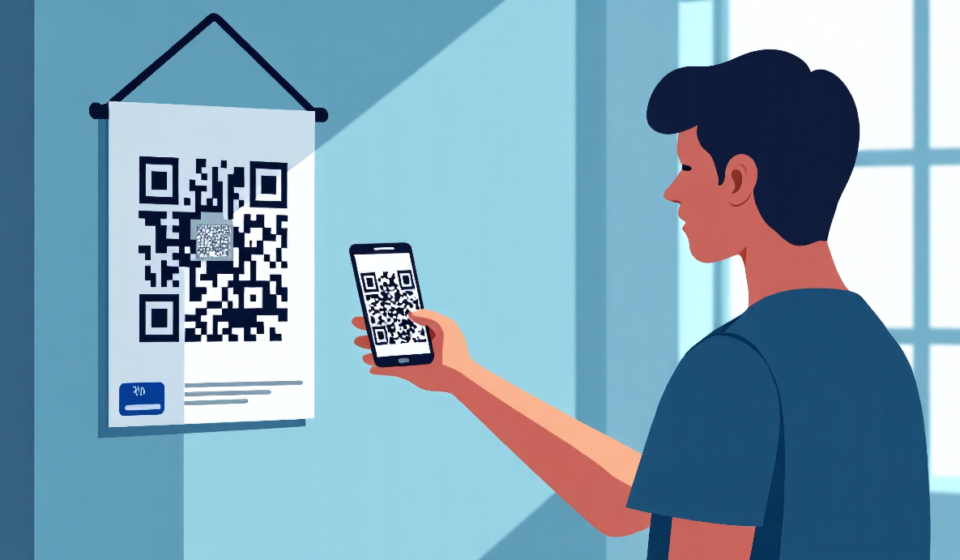
Scammers embed malicious links in QR codes that appear on posters, brochures, or patient forms. When a patient scans the code, the link directs them to a fake login page that looks almost identical to a legitimate healthcare portal. Because the scammers have already harvested data about you, the page can pre‑populate fields or use your name and Medicare number to make the request seem authentic.
Data Brokers and People‑Search Sites as Enablers
Data brokers compile public records, credit reports, and other online footprints. People‑search websites aggregate this information and make it searchable. Scammers purchase or scrape these databases, then match the data to the QR code’s target audience. The result is a highly personalized phishing attack that feels tailored to the victim.
Why Medicare Numbers Are a Prime Target
Medicare numbers are unique identifiers that grant access to a wide range of health services and financial information. If a scammer obtains your Medicare number, they can potentially open new accounts, request medical records, or even commit identity theft. The combination of a seemingly innocuous QR code and a pre‑collected Medicare number creates a potent phishing vector.
Protecting Yourself and Your Practice
Patients should verify QR codes by checking the URL in their browser before entering any personal data. Healthcare providers can mitigate risk by using secure, encrypted QR codes that redirect to verified sites and by educating staff and patients about phishing threats. Regular audits of QR code usage and monitoring for suspicious activity can also help catch potential scams early.
What to Do If You Suspect a Scam
If you’ve scanned a QR code and entered personal information, contact your healthcare provider immediately and monitor your Medicare account for unauthorized activity. Report the incident to the Federal Trade Commission and consider placing a fraud alert on your credit reports.
Source: Fox News
Watch and listen free on JASTORM – Follow radio and video broadcasts free in the JASTORM app with your free account.