The 24‑Hour Diner Is Vanishing: What’s Driving the Decline
The 24‑Hour Diner Is Vanishing: What’s Driving the Decline
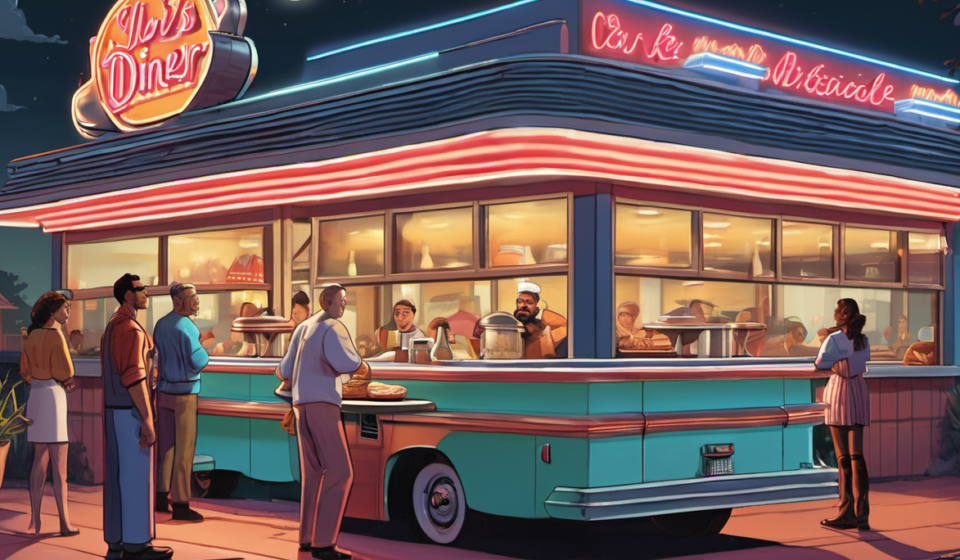
Red Arrow Diner in the Midwest still lights its griddles around the clock, yet Yelp data reveals a nationwide 11% drop in all‑night restaurants since 2020. The trend signals a shift in American dining habits and economic pressures that are reshaping the classic 24‑hour diner.
Why the 24‑Hour Model Is Losing Ground
Several factors converge to explain the decline. First, the pandemic accelerated a move toward delivery and take‑out, reducing the need for late‑night in‑person service. Second, rising labor costs and stricter labor regulations make it harder for small diners to maintain a 24‑hour schedule. Finally, changing consumer preferences favor healthier, faster options that are often available during regular business hours.
Economic Pressures on Independent Diners
Independent diners like Red Arrow face higher overheads—utilities, insurance, and compliance costs—that are amplified when operating 24/7. With fewer customers during the overnight hours, the revenue gap widens, making it financially unsustainable for many establishments to stay open.
Shifting Consumer Habits
Modern diners increasingly rely on food delivery apps and curb‑side pickup. Late‑night cravings are often satisfied through these channels, reducing foot traffic to brick‑and‑mortar diners. The convenience of ordering from a phone app has become a preferred choice for many, especially in urban areas.
What the Future Holds for 24‑Hour Diners
Some diners are adapting by offering limited late‑night hours or partnering with delivery services. Others are reimagining their menus to attract a broader audience. However, the trend suggests that the classic 24‑hour diner will become a niche, nostalgic experience rather than a mainstream staple.
Source: Fox News
Watch and listen free on JASTORM – Follow radio and video broadcasts free in the JASTORM app with your free account.