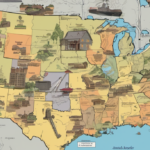

Heat Dome Sends Six States to Record‑High Temperatures
Heat Dome Sends Six States to Record‑High Temperatures
A powerful heat dome has settled over the southern United States, driving temperatures to record‑high levels in six states. Emergency officials are urging residents to stay hydrated, avoid outdoor exertion, and monitor power usage as the heat wave continues to intensify.
Record Temperatures Across the South
On Tuesday, the National Weather Service logged unprecedented temperatures in parts of Texas, Oklahoma, Arkansas, Louisiana, Mississippi, and Alabama. In some locations, the mercury climbed above 110°F, a first for the season. These readings are part of a broader trend of extreme heat that has already strained local infrastructure and emergency services.
What’s Causing the Heat Dome?
A heat dome forms when a high‑pressure system traps hot air over a region, preventing cooler air from moving in. The current dome is unusually deep and persistent, creating a “heat blanket” that keeps temperatures high for days. Meteorologists warn that the dome could linger for weeks, especially if the jet stream remains in a position that blocks cooler air from the north.
Impact on Power and Water Supplies
Power grids in several affected states are already operating at capacity. Utility companies report increased demand as residents turn on air conditioning units, fans, and dehumidifiers. Water usage has also spiked, with some municipalities issuing advisories to conserve water. Officials advise checking for power outages and having backup generators ready.
Health Risks and Safety Tips
Heat‑related illnesses such as heat exhaustion and heat stroke are a growing concern. The American Red Cross recommends staying in air‑conditioned spaces, wearing light clothing, and drinking plenty of fluids. For those who must be outdoors, schedule activities for early morning or late evening and use sunscreen.
What Residents Can Do
- Check local news for heat advisories and emergency instructions.
- Limit outdoor activities during peak heat hours.
- Keep a supply of water and electrolytes at home.
- Use fans or portable air‑conditioners to reduce indoor temperatures.
- Stay informed about power outages and have a backup plan.
For the latest updates on the heat dome and how it’s affecting your area, follow the live coverage on CBS News.
Watch and listen free on JASTORM – Follow radio and video broadcasts free in the JASTORM app with your free account.