US-Iran Stalemate: What’s at Stake for Oil Prices?
US-Iran Stalemate: What’s at Stake for Oil Prices?
The 60-day US-Iran negotiation period has expired, leaving the future of oil exports from the Strait of Hormuz uncertain. The stalemate has raised concerns about the potential impact on global oil prices.
The Importance of the Strait of Hormuz
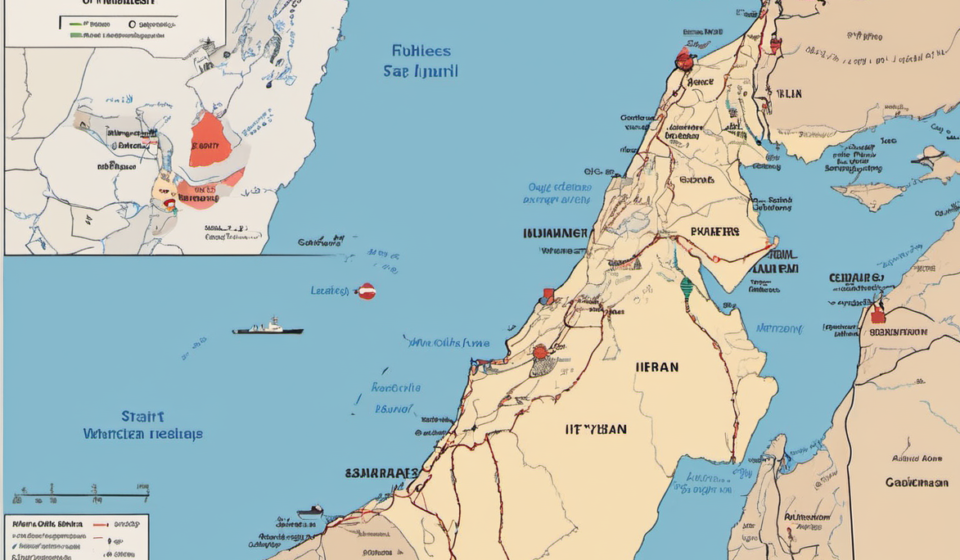
The Strait of Hormuz is a critical waterway that connects the Persian Gulf to the Gulf of Oman and the Arabian Sea. It is a major route for oil exports from the Middle East, with over 20% of the world’s oil passing through it. The US and Iran have a long-standing rivalry for influence in the region, and the Strait of Hormuz is a key flashpoint.
The Current Situation
The US and Iran have been engaged in a series of negotiations over the past 60 days, but a deal has yet to be reached. The US has been seeking to ensure that Iran does not use its oil exports as leverage in future negotiations over its nuclear program. Iran, on the other hand, has been seeking to maintain its access to the Strait of Hormuz and its right to export oil.
The Impact on Oil Prices
The stalemate has raised concerns about the potential impact on global oil prices. If the US were to impose sanctions on Iran’s oil exports, it could lead to a sharp increase in prices. On the other hand, if Iran were to continue to export oil through the Strait of Hormuz, it could lead to a decrease in prices.
Expert Analysis
Emily Peck, a markets correspondent for Axios, joins us to discuss the potential impact of the US-Iran stalemate on oil prices. She explains that the situation is complex and that there are many variables at play. ‘The situation is very fluid,’ she says. ‘There are many different factors that could influence the outcome, and it’s impossible to predict exactly what will happen.’
According to Peck, the key to understanding the situation is to look at the broader geopolitical context. ‘The US and Iran have a long history of rivalry,’ she says. ‘This is not just about oil exports, it’s about influence in the region and the balance of power.’
Peck also notes that the situation is being closely watched by markets around the world. ‘There are many investors who are keeping a close eye on the situation,’ she says. ‘They are looking for any signs of instability or uncertainty, and they are adjusting their strategies accordingly.’
In terms of specific predictions, Peck says that it’s difficult to say exactly what will happen. ‘I don’t think anyone can predict exactly what will happen,’ she says. ‘But I do think that the situation is likely to continue to be volatile for the foreseeable future.’
As the situation continues to unfold, one thing is clear: the future of oil exports from the Strait of Hormuz is uncertain. The US and Iran have a long-standing rivalry for influence in the region, and the Strait of Hormuz is a key flashpoint. The impact on oil prices will depend on the outcome of the negotiations and the actions of the parties involved.
Watch and listen free on JASTORM: https://jastorm.com