
The Hidden Heart Risk Your Waistline May Be Hiding
The Hidden Heart Risk Your Waistline May Be Hiding
A recent study has shed light on a crucial aspect of heart health that is often overlooked: visceral fat.
What is Visceral Fat?
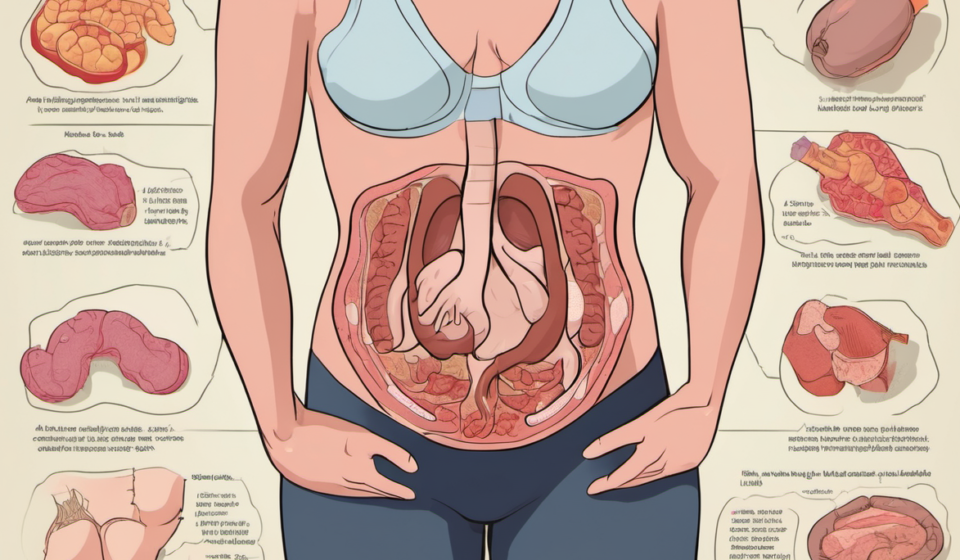
Visceral fat is the fat that accumulates around the abdominal organs, such as the liver, stomach, and intestines. It is a type of fat that is particularly problematic because it can lead to inflammation, insulin resistance, and artery damage.
The Risks of Visceral Fat
Visceral fat can increase the risk of heart disease, type 2 diabetes, and certain types of cancer. It can also lead to a range of other health problems, including high blood pressure, high cholesterol, and stroke.
How Does Visceral Fat Affect Heart Health?
Visceral fat can have a profound impact on heart health. It can lead to inflammation in the body, which can damage the lining of the arteries and increase the risk of heart attack and stroke. Visceral fat can also lead to insulin resistance, which can increase the risk of developing type 2 diabetes.
What Can You Do to Reduce Visceral Fat?
Fortunately, there are steps you can take to reduce visceral fat. Losing weight, particularly around the abdominal area, can help to reduce the amount of visceral fat in your body. Exercise, such as brisk walking, cycling, or swimming, can also help to burn belly fat. A healthy diet that is low in processed foods and high in fruits, vegetables, and whole grains can also help to reduce visceral fat.
Conclusion
In conclusion, visceral fat is a serious health concern that can increase the risk of heart disease, type 2 diabetes, and other health problems. By understanding the risks of visceral fat and taking steps to reduce it, you can help to protect your heart health and reduce your risk of developing these conditions.
Watch and listen free on JASTORM: https://jastorm.com