
1 in 6 Adults Struggling with Loneliness Due to COVID-19 Pandemic
1 in 6 Adults Struggling with Loneliness Due to COVID-19 Pandemic
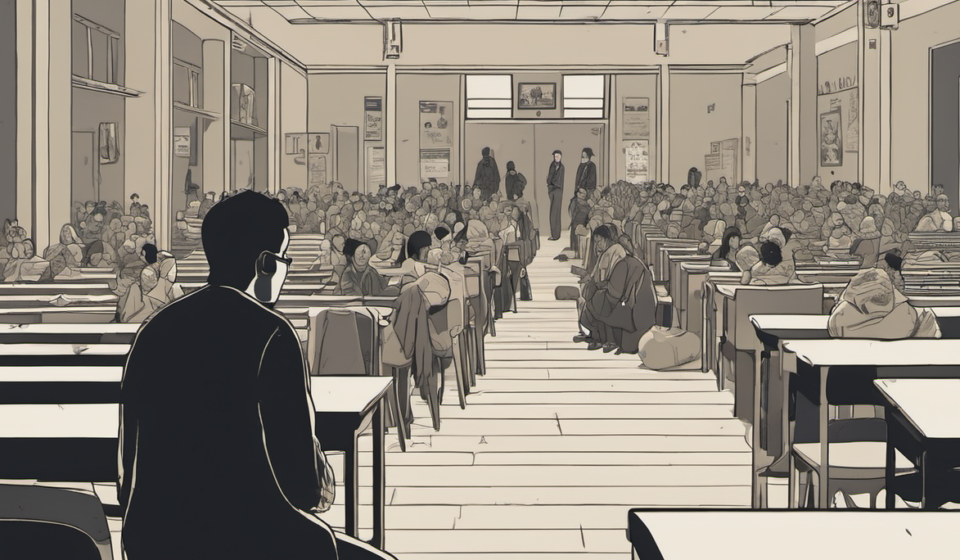
A recent study by Imperial College London has revealed that nearly one in six people reported feeling lonely often, surprising researchers and shedding light on the long-term effects of the COVID-19 pandemic on mental health.
The Study’s Findings
The study, which surveyed over 135,000 adults, found that 15.6% of participants reported feeling lonely often, with some experiencing persistent feelings of isolation and disconnection.
The COVID-19 Pandemic’s Lasting Impact
Researchers noted that the pandemic exacerbated existing social isolation issues, making it difficult for people to form and maintain social connections.
Consequences of Loneliness
Loneliness can have severe consequences on both physical and mental health, including increased risk of depression, anxiety, and cardiovascular disease.
Breaking the Cycle of Loneliness
While the pandemic has presented numerous challenges, there are steps individuals can take to combat loneliness and build stronger social connections.
By reaching out to friends and family, joining social clubs or groups, and volunteering, people can begin to break the cycle of loneliness and build more meaningful relationships.
Conclusion
The findings of this study serve as a stark reminder of the importance of prioritizing mental health and social connections during times of uncertainty.
Stay connected, stay informed, and stay safe with JASTORM’s free radio and video broadcasts. Watch and listen free on JASTORM: https://jastorm.com