
SpaceX’s Starship Test Flight Marks a New Era of Reusable Rockets
SpaceX’s Starship Test Flight Marks a New Era of Reusable Rockets
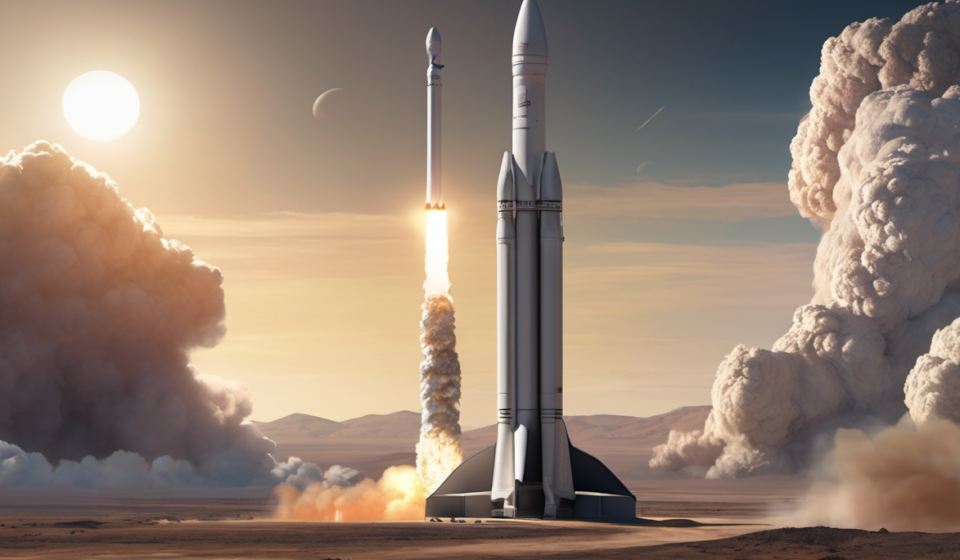
SpaceX’s inaugural Starship launch showcased a fully reusable launch system designed to dramatically reduce the cost of sending payloads into space. The test flight, powered by the Super‑Heavy booster, demonstrated the company’s ambition to make space travel more economical and frequent.
What Is the Starship System?
The Starship vehicle, coupled with the Super‑Heavy booster, represents a two‑stage launch system built from the ground up for full reusability. Unlike earlier rockets that discarded stages after a single use, both the booster and the upper stage are engineered to return to Earth, land, and be refurbished for subsequent flights.
Why Reusability Matters
Traditional launch vehicles incur high costs because each stage is discarded after launch. By reusing the entire stack, SpaceX aims to cut launch expenses, making missions to orbit, the Moon, and beyond more affordable. This approach could open new opportunities for scientific research, satellite deployment, and eventually human exploration.
The First Flight’s Key Milestones
During the test flight, the Starship and Super‑Heavy performed a series of critical maneuvers: liftoff, stage separation, and a controlled descent of the booster. While the upper stage did not return to Earth, the booster’s successful landing demonstrated the viability of the reusable design.
Looking Ahead
SpaceX plans to refine the Starship’s performance based on data from this flight. Future missions will focus on returning the upper stage to Earth and achieving longer‑duration orbital operations. Each iteration brings the company closer to its goal of routine, low‑cost access to space.
Source: CBS News
Watch and listen free on JASTORM – Follow radio and video broadcasts free in the JASTORM app with your free account. https://jastorm.com