
Tennessee Blocks Lawyers’ Access to Execution Drug in Pike Case
Tennessee Blocks Lawyers’ Access to Execution Drug in Pike Case
In a move that has sparked debate over transparency in capital punishment, the state of Tennessee is attempting to bar Christa Pike’s legal team from examining the pentobarbital used in her botched 2002 execution. The court’s request hinges on the argument that allowing the attorneys to inspect the drug could expose the identity of its supplier, a detail the state claims is sensitive.
Background: The 2002 Execution and Its Fallout
Christa Pike, a 50‑year‑old inmate, was executed in 2002 after a prolonged and painful process that drew national attention. The execution, which involved the use of pentobarbital—a barbiturate commonly used in lethal injections—ended in a botched attempt that left Pike in a state of extreme distress. The incident prompted scrutiny of Tennessee’s execution protocols and the drugs used.
Legal Battle Over Drug Inspection
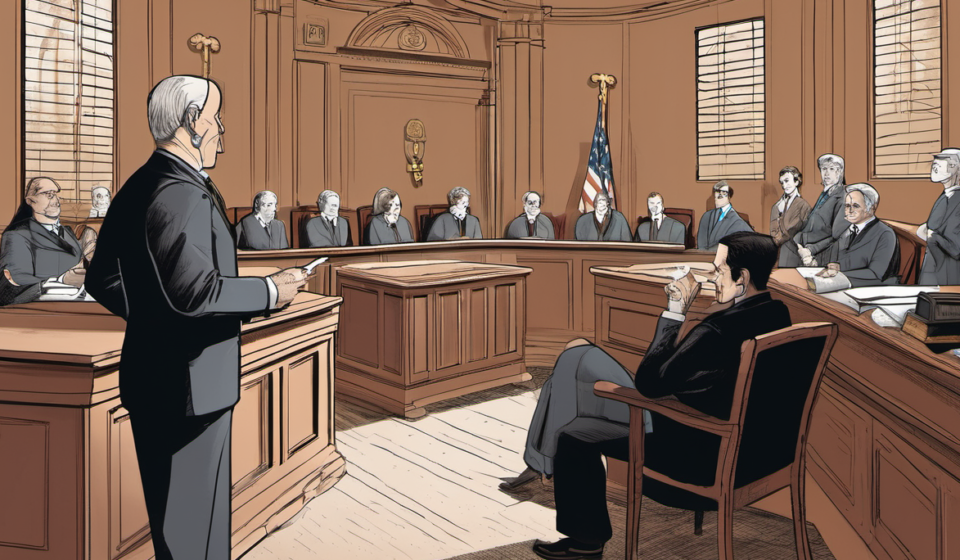
Now, the state is seeking to prevent Pike’s attorneys from accessing the very drug that was administered during the execution. The legal team argues that inspecting the pentobarbital is essential for a thorough review of the execution’s legality and to ensure compliance with federal and state standards. Tennessee, on the other hand, contends that revealing the supplier could compromise confidential business arrangements and potentially expose the state to liability.
Implications for Transparency and Accountability
Critics of the state’s position warn that restricting access to the drug undermines transparency in the death penalty process. They argue that full disclosure is necessary to assess whether the execution met the constitutional requirements for humane treatment. Supporters of the restriction claim that the state must protect sensitive information that could jeopardize future procurement of execution drugs.
What This Means for Future Executions
The outcome of this case could set a precedent for how states handle the disclosure of execution materials. If the court sides with Tennessee, it may become more difficult for defense teams to scrutinize the drugs used in executions, potentially affecting the legal challenges to capital punishment. Conversely, a ruling in favor of Pike’s attorneys could reinforce the principle that transparency is paramount in death penalty proceedings.
Conclusion
As the legal proceedings unfold, the debate over the balance between confidentiality and transparency in capital punishment continues. The decision will likely influence not only the Pike case but also the broader landscape of death penalty jurisprudence in the United States.
Source: CBS News
Watch and listen free on JASTORM – Follow radio and video broadcasts free in the JASTORM app with your free account.