
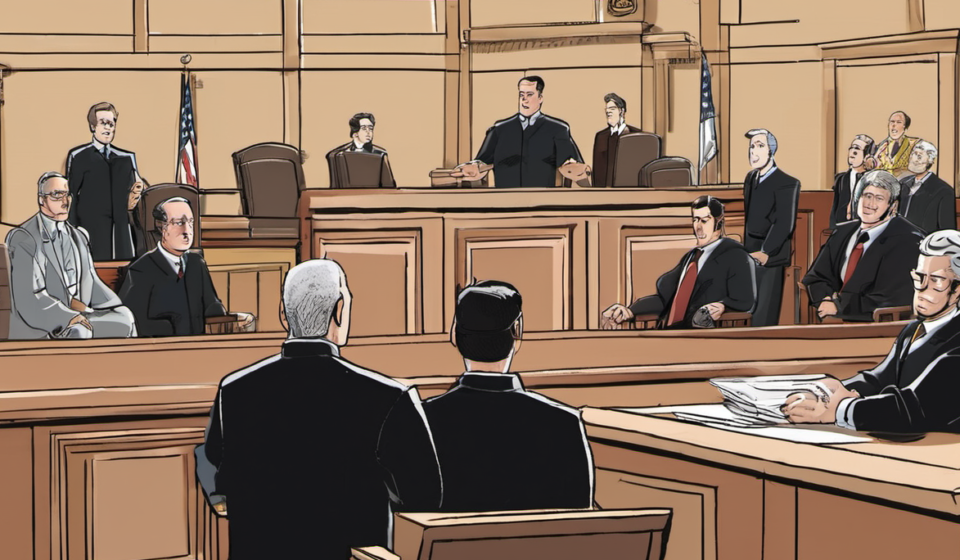
Russell Brand Convicted of Rape: What Went Wrong in His Trial
Russell Brand Convicted of Rape: What Went Wrong in His Trial
The comedian’s high‑profile trial ended in a guilty verdict after a series of missteps. Here’s why Russell Brand’s defense failed and what it means for the UK justice system.
Trial Overview
On 6 November 2026, Russell Brand was found guilty of rape and sexual assault in a London court. The case, which had attracted intense media scrutiny, concluded with a verdict that left many questioning the effectiveness of the defense strategy.
Key Missteps in the Defense
According to court transcripts, Brand’s legal team made several tactical errors. They failed to challenge key forensic evidence, did not adequately cross‑examine witnesses, and allowed the defendant to present a narrative that contradicted the prosecution’s timeline. These lapses weakened the defense’s credibility and gave the jury a clear path to conviction.
Impact on the Justice System
The verdict highlights ongoing concerns about how high‑profile defendants are represented. Critics argue that the case underscores the need for stronger oversight of defense counsel in sensitive sexual offence trials, ensuring that procedural fairness is maintained regardless of a defendant’s celebrity status.
Public Reaction and Media Coverage
Public reaction has been mixed. Some supporters of Brand argue that the trial was rushed, while others believe the evidence was overwhelming. Media outlets, including TMZ and the New York Post, have provided extensive coverage, framing the case as a cautionary tale for entertainers who cross legal boundaries.
What This Means for Future Cases
Legal experts suggest that this case will prompt a review of defense strategies in sexual offence trials. There may be increased emphasis on rigorous evidence handling and witness preparation to prevent similar outcomes in the future.
Advertise with JASTORM – Promote your business with JASTORM Ads for $99.99 per month across banners, pages, games, and video pre‑roll placements.