
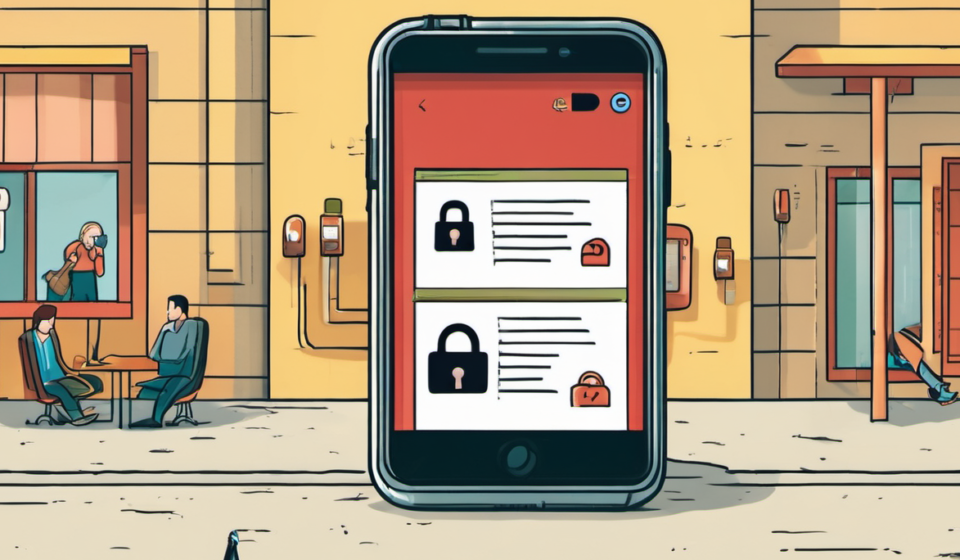
ChatGPT Adds PIN Lock for Private Chats, But Privacy Gaps Remain
ChatGPT Adds PIN Lock for Private Chats, But Privacy Gaps Remain
OpenAI has rolled out a new “locked chats” feature that lets users protect their private conversations with a PIN, Face ID, or Touch ID. The move is aimed at giving users more control over who can view their chats, but the underlying data flow to OpenAI’s servers still leaves room for privacy questions.
How the Lock Works
When a user creates a new chat, they can choose to lock it. A PIN, Face ID, or Touch ID is required to open the conversation. The lock is local to the device, so the user’s credentials are never sent to OpenAI. Once unlocked, the chat can be accessed normally.
What the Lock Doesn’t Do
Despite the local protection, the conversation is still sent to OpenAI’s servers for processing and storage. This means that the content is still subject to OpenAI’s data usage policies, which include potential use for model training. The lock does not prevent the data from being stored or analyzed by OpenAI.
Privacy Implications
Users who rely on the lock for sensitive information may find it insufficient if they are concerned about the data being retained on OpenAI’s servers. The feature does not provide end‑to‑end encryption, and the company’s privacy policy still allows for data collection and usage beyond the immediate conversation.
What Users Can Do
For those who need stronger privacy guarantees, consider using external encryption tools or limiting the type of information shared in ChatGPT. Users can also review OpenAI’s privacy settings and opt‑out options where available.
OpenAI’s new locked chats feature is a step toward giving users more control, but it is not a comprehensive privacy solution. Users should weigh the convenience of the lock against the continued data flow to OpenAI’s servers.
Source: Fox News
Explore American Tech Consultants
Explore AI integration, technology consulting, and IT services from American Tech Consultants. Explore American Tech Consultants.