
Iran’s Oil Lifeline Drying Up: Ordinary Citizens Bear the Brunt
Iran’s Oil Lifeline Drying Up: Ordinary Citizens Bear the Brunt
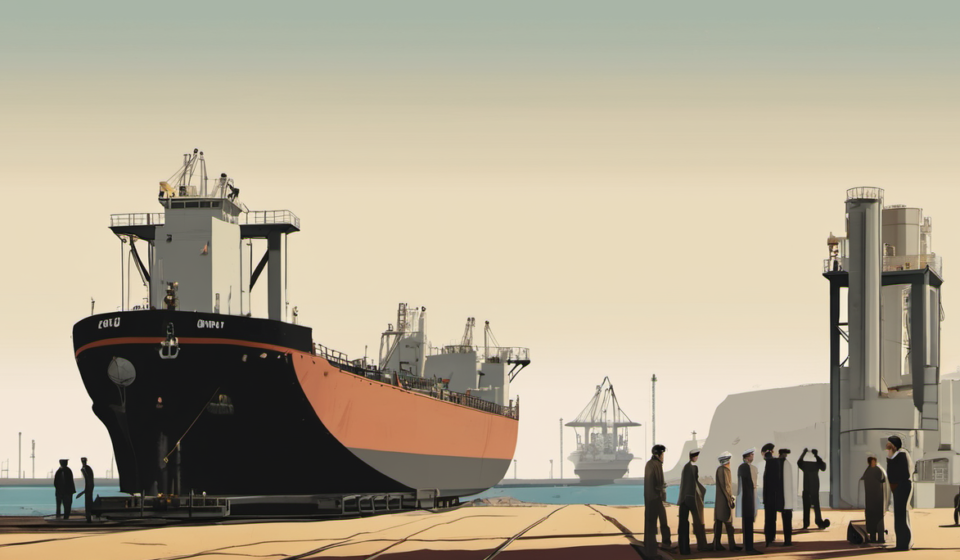
Iran’s floating oil inventory has fallen to zero as the U.S. naval blockade tightens, leaving the country’s civilians to confront a sharp rise in fuel costs while the IRGC may be shielded from the worst effects.
Zero Inventory, Rising Tension
According to recent reports, Iran’s floating oil stockpile has been depleted entirely. The U.S. blockade, which has intensified in recent months, has effectively cut off the country’s ability to import oil by sea. With no reserve to draw upon, the Iranian government is forced to rely on its domestic production and limited pipeline imports.
Impact on the Everyday Iranian
While the IRGC and other strategic sectors may receive preferential treatment, ordinary citizens are likely to feel the impact most acutely. Fuel shortages could lead to higher prices at gas stations, longer wait times for refueling, and a slowdown in public transportation. The economic strain may ripple through other sectors, affecting everything from food distribution to industrial production.
Strategic Shielding or Strategic Risk?
Analysts suggest that the Iranian military’s ability to secure its own supply lines could mitigate the immediate crisis for the armed forces. However, this protective measure may come at the cost of civilian welfare, potentially eroding public support for the regime and creating long‑term instability.
Looking Ahead
With the blockade tightening, Iran faces a critical decision: accelerate domestic production, seek alternative supply routes, or negotiate a diplomatic solution. The outcome will shape not only the country’s energy security but also its political trajectory.
Source: Fox News
Watch and listen free on JASTORM – Follow radio and video broadcasts free in the JASTORM app with your free account.