
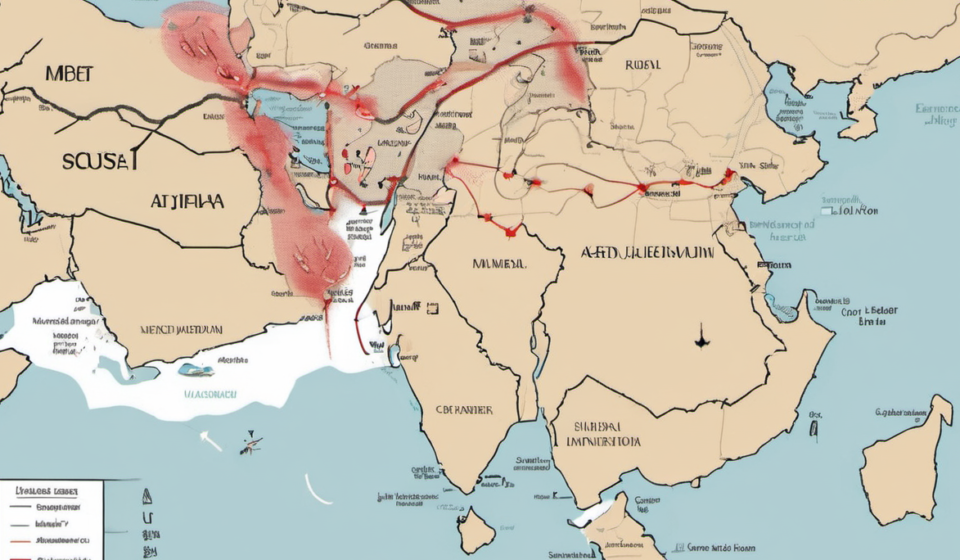
Saudi Arabia Struggles to Counter Houthi Attacks Amid Geopolitical Tensions
Saudi Arabia Struggles to Counter Houthi Attacks Amid Geopolitical Tensions
Saudi Arabia’s inability to halt the Houthis’ deadly strikes stems from a mix of geographic realities, a shortage of air‑defence interceptors, and the group’s adaptive tactics. These factors not only strain the kingdom’s security apparatus but also ripple through global energy supplies, raising concerns for international markets.
Geography: A Natural Barrier
The Red Sea’s narrow straits and the proximity of Yemen to Saudi airspace create a challenging environment for interception. Houthi forces can launch missiles from positions that are difficult to monitor and neutralise, giving them a tactical advantage that Saudi forces struggle to counter.
Interceptor Shortages and Technological Gaps
Saudi Arabia’s air‑defence fleet lacks the quantity and modernity required to intercept the increasingly sophisticated missile payloads used by the Houthis. Limited numbers of high‑speed interceptors mean that many attacks slip through, allowing the insurgents to maintain pressure on the kingdom.
Evolving Tactics: From Conventional to Stealthy Attacks
Houthi tactics have evolved from straightforward missile launches to more complex, low‑profile strikes that exploit gaps in Saudi surveillance. This adaptability keeps the kingdom on the defensive and forces continuous adjustments to its defence strategy.
Implications for Global Energy Markets
The Red Sea is a critical artery for oil transport. Persistent Houthi attacks raise the risk of disruptions, prompting global markets to react with price volatility. Saudi Arabia’s struggle to secure this corridor underscores the broader geopolitical stakes tied to energy security.
For more details, read the full CBS News report: Why can’t Saudi Arabia stop the Houthis’ deadly attacks?
Watch and listen free on JASTORM: Follow radio and video broadcasts free in the JASTORM app with your free account.