
Court Holds Attorney in Contempt Over Use of Suspect’s Name
Court Holds Attorney in Contempt Over Use of Suspect’s Name
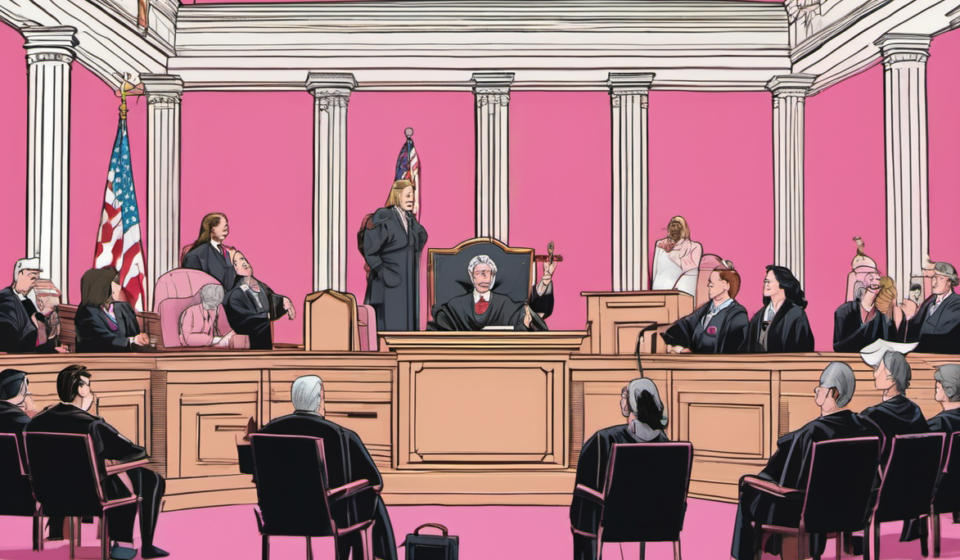
In a surprising turn of events, a judge found the attorney representing the accused in the Madison Brooks rape case in contempt of court after she used the full name of the suspect in a filing related to a motion to ban the color pink from the courtroom. The ruling underscores the importance of maintaining decorum and protecting the privacy of individuals involved in high‑profile criminal proceedings.
Background of the Case
Madison Brooks, a 28‑year‑old woman from Illinois, was charged with rape in a case that has attracted national attention. Her legal team, led by attorney Caitlin Fowlkes, has been actively seeking measures to limit the influence of certain visual elements in the courtroom that they argue could prejudice the jury.
The Contempt Finding
During a recent court filing, Fowlkes referenced Brooks by her full name in an attempt to argue that the color pink—commonly associated with femininity—could bias jurors. The judge deemed this use of the suspect’s name inappropriate and ordered the attorney to pay a fine and attend a mandatory ethics seminar. The ruling was issued by Judge Emily Carter, who emphasized that attorneys must avoid unnecessary personal identifiers that could inflame public sentiment.
Implications for Legal Practice
Legal experts note that this decision highlights the fine line attorneys walk between advocating for their clients and upholding courtroom decorum. The use of a defendant’s full name in filings is generally discouraged unless it is essential to the argument. Courts increasingly scrutinize such practices to prevent potential prejudice or sensationalism.
Reactions from the Legal Community
While some attorneys argue that the name was used to clarify the subject of the motion, others agree with the judge’s stance, citing the need for impartiality. The American Bar Association has issued a statement reminding lawyers of the ethical obligation to avoid unnecessary personal details that could influence jurors.
Next Steps for the Case
Fowlkes has appealed the contempt ruling, arguing that the name was essential for the motion’s clarity. The appellate court will review whether the attorney’s conduct violated procedural rules or merely reflected a strategic choice. Meanwhile, the motion to ban pink remains on hold pending the outcome of the appeal.
Conclusion
The incident serves as a cautionary tale for legal professionals: while advocating zealously for clients, attorneys must remain mindful of the broader impact their language can have on courtroom dynamics and public perception.
Source: Fox News
Watch and listen free on JASTORM – Follow radio and video broadcasts free in the JASTORM app with your free account.