
Misdiagnosed MS: Up to 20% May Be Wrong, Experts Say
Misdiagnosed MS: Up to 20% May Be Wrong, Experts Say
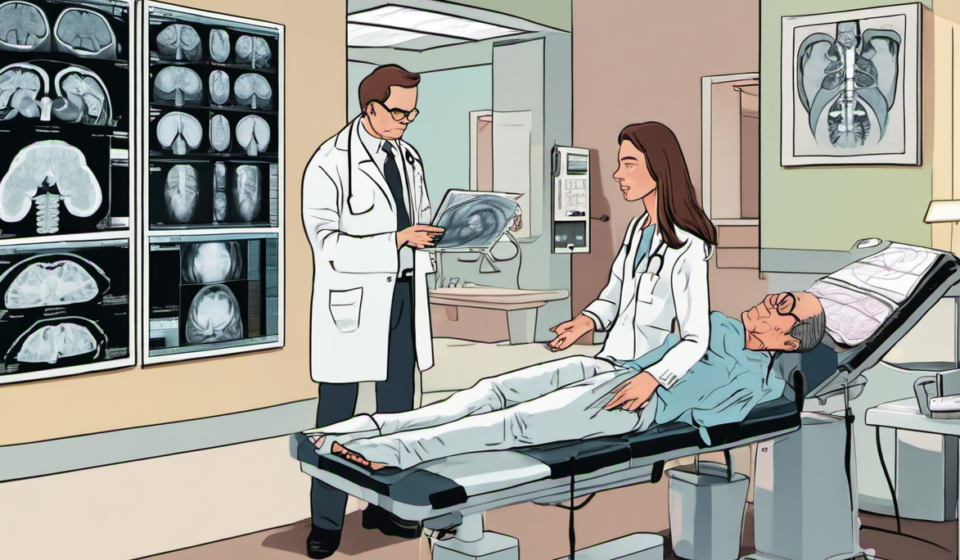
When actress Christina Applegate publicly clarified that she does not have multiple sclerosis (MS), a conversation about the accuracy of MS diagnoses began. A neurologist who specializes in demyelinating disorders explains that misdiagnosis rates can reach as high as 20%, underscoring the need for careful evaluation and second opinions.
Why Misdiagnosis Happens
MS symptoms—such as numbness, vision changes, and fatigue—overlap with many other neurological and systemic conditions. Early in the disease, MRI findings may be subtle or absent, and laboratory tests can yield inconclusive results. These factors can lead clinicians to attribute symptoms to MS when another disorder is the true cause.
Key Red Flags for Patients
Patients experiencing new or worsening neurological symptoms should consider the following:
- Inconsistent symptom patterns that do not fit classic MS progression.
- Negative MRI scans despite strong clinical suspicion.
- Lack of response to disease‑modifying therapies after several months.
When any of these signs appear, seeking a second opinion—ideally from a center with expertise in demyelinating diseases—can clarify the diagnosis.
What a Second Opinion Involves
A comprehensive review typically includes a detailed neurological exam, repeat imaging, and targeted blood tests. Specialists may also consult with other disciplines, such as rheumatology or infectious disease, to rule out mimicking conditions like Lyme disease or lupus.
Impact on Treatment and Quality of Life
Misdiagnosis can delay appropriate treatment, expose patients to unnecessary medication side effects, and cause emotional distress. Correctly identifying the underlying condition ensures that patients receive the most effective care and support.
Takeaway for the Public
While MS remains a serious and often debilitating disease, the possibility of misdiagnosis means patients should remain proactive. Document symptoms, ask detailed questions, and do not hesitate to pursue a second opinion if uncertainty persists.
Source: CBS News
Watch and listen free on JASTORM – Follow radio and video broadcasts free in the JASTORM app with your free account.