
Ultra‑Processed Foods Linked to Silent Brain Damage in Canadians
Ultra‑Processed Foods Linked to Silent Brain Damage in Canadians
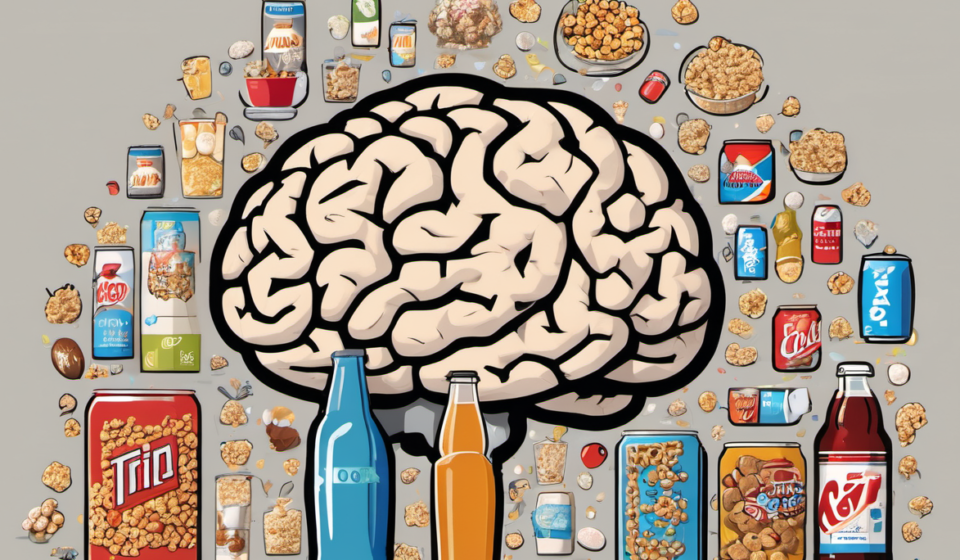
Recent MRI scans of 9,000 Canadians revealed that everyday consumption of ultra‑processed foods—particularly soft drinks and sugary cereals—may be associated with hidden brain damage. The study highlights a higher risk among women and raises concerns about the long‑term effects of these dietary staples.
What the Study Revealed
Researchers scanned brain images of participants and identified subtle structural changes that correlate with frequent intake of sugary beverages and processed breakfast cereals. While the damage is not immediately visible on standard imaging, it appears in advanced MRI analyses, suggesting a silent but potentially progressive impact on brain health.
Why Women May Be More Vulnerable
Data indicated that female participants exhibited a higher prevalence of these brain changes compared to their male counterparts. The reasons remain unclear, but hormonal differences, metabolic rates, and dietary patterns could contribute to this disparity.
Implications for Daily Eating Habits
Soft drinks and sugary cereals are common breakfast choices for many Canadians. The findings suggest that reducing reliance on these items could mitigate the risk of subtle brain injury over time. Health professionals are urging a shift toward whole foods, such as oatmeal, fresh fruit, and unsweetened dairy alternatives.
Next Steps for Research and Public Health
Further longitudinal studies are needed to confirm causality and to explore whether dietary modifications can reverse or halt the observed brain changes. Meanwhile, public health campaigns may consider emphasizing the hidden risks of ultra‑processed foods to encourage healthier breakfast options.
Source: Fox News Health
Watch and listen free on JASTORM – Follow radio and video broadcasts free in the JASTORM app with your free account.