
House Passes Data‑Center Bill to Shield Families from Rising Energy Bills
House Passes Data‑Center Bill to Shield Families from Rising Energy Bills
The Ratepayer Protection Act has just cleared the U.S. House of Representatives, garnering bipartisan support. The legislation aims to prevent the soaring energy costs of data centers from translating into higher electric bills for American households. While the bill’s passage is a milestone, lawmakers from both parties are now scrambling to answer key questions about how the law will be enforced and how it will affect the broader energy market.
What the Bill Actually Does
At its core, the Ratepayer Protection Act requires utilities to cap the amount of data‑center energy usage that can be passed on to consumers. The law also mandates that data‑center operators report their energy consumption and that utilities provide transparent billing to show how much of a customer’s bill is attributable to data‑center demand. By limiting the ability of data‑center operators to raise rates, the bill seeks to protect families from the indirect costs of the digital economy.
Why Data‑Center Energy Is a Growing Concern
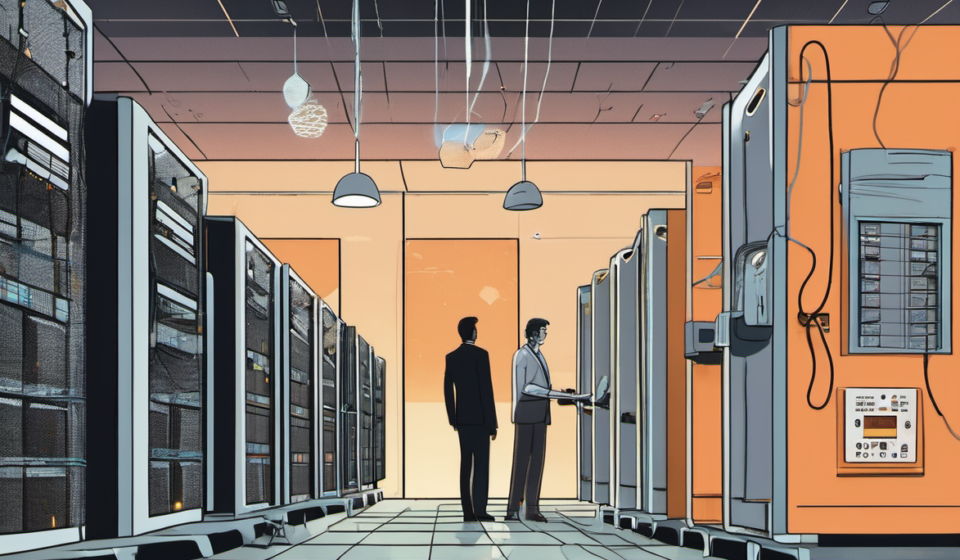
Data centers—facilities that house servers for cloud computing, streaming, and online services—have become power‑hungry. As more services move online, the demand for cooling and electricity in these centers has surged. Utilities have sometimes passed a portion of that cost onto residential customers, leading to higher monthly bills. The new legislation is designed to curb that trend and ensure that the growth of the internet does not come at the expense of everyday households.
Partisan Perspectives and the Road Ahead
Republicans praised the bill as a necessary check on corporate power, while Democrats highlighted the need for safeguards to prevent unintended market distortions. Both sides now face the challenge of drafting the final language that will define enforcement mechanisms, penalties for non‑compliance, and the role of state regulators. The House vote was a first step, but the Senate will need to weigh in before the law can take effect.
What This Means for Consumers
If the bill becomes law, consumers could see a stabilization—or even a reduction—in the portion of their electric bills that reflects data‑center usage. However, the exact impact will depend on how utilities adjust their pricing structures and how quickly data‑center operators comply with reporting requirements. For now, the legislation signals a growing recognition that the digital economy’s energy footprint must be managed responsibly.
Next Steps for Lawmakers
Lawmakers are convening hearings to gather input from utilities, data‑center operators, and consumer advocacy groups. The Senate is expected to hold its own debate, and the final version of the bill will likely include additional provisions to address concerns about market competition and the potential for unintended price shifts.
For more details on the bill’s passage and the ongoing debate, read the full article on Fox News.
Watch and listen free on JASTORM – Follow radio and video broadcasts free in the JASTORM app with your free account.