
U.S. Forces Destroy Five Iranian Oil Tankers, Tehran Responds with Air Strikes
U.S. Forces Destroy Five Iranian Oil Tankers, Tehran Responds with Air Strikes
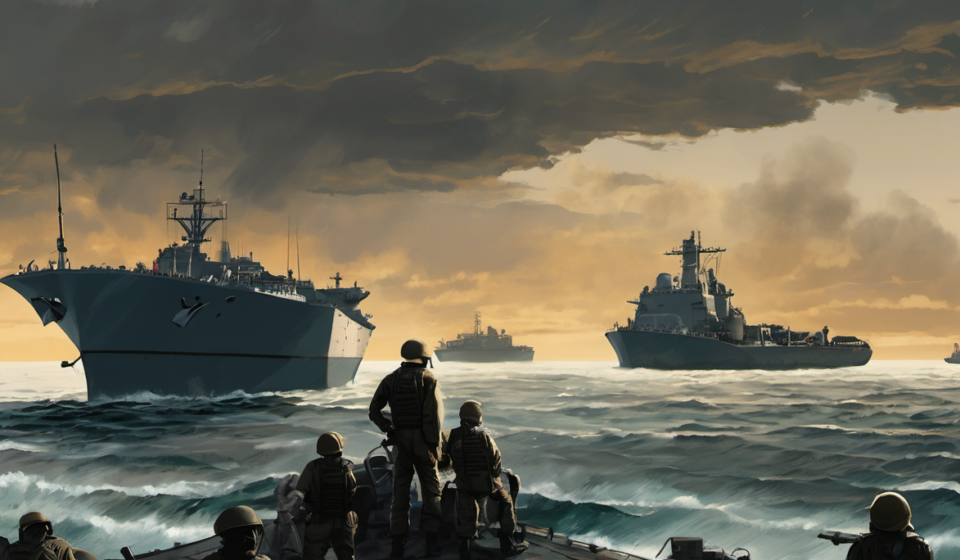
U.S. naval forces recently destroyed five Iranian oil tankers in the Strait of Hormuz, prompting Tehran to launch a retaliatory strike on an American base in Jordan. The incident marks a sharp escalation in the ongoing tit‑for‑tat conflict between the United States and Iran, with potential implications for regional security and global oil supply.
What Happened?
According to reports, U.S. forces intercepted and destroyed five Iranian oil tankers that were allegedly heading toward the Strait of Hormuz. The destruction of these vessels was part of a broader U.S. strategy to counter Iranian influence in critical maritime chokepoints. In retaliation, Iranian forces targeted a U.S. military installation in Jordan, marking the first direct strike on American soil since the 1979 hostage crisis.
Why the Strait of Hormuz Matters
The Strait of Hormuz is a vital artery for global oil trade, with roughly 20% of the world’s petroleum passing through its narrow waters. Any disruption in this corridor can trigger sharp increases in oil prices and destabilize energy markets worldwide. The U.S. has long maintained a naval presence in the area to safeguard shipping lanes and deter hostile actions by regional actors.
Iran’s Retaliatory Strike
Iran’s attack on the U.S. base in Jordan was carried out by drone and missile strikes, according to U.S. officials. While the exact damage remains unclear, the incident underscores Iran’s willingness to extend its reach beyond its borders in response to perceived U.S. aggression. The strike also signals a shift in Iran’s strategic calculus, potentially opening new fronts in the Middle East.
Implications for Regional Stability
Experts warn that the escalation could spark a broader conflict involving other regional powers. The United Nations and several European nations have called for restraint and diplomatic engagement to prevent a spiral of violence. Meanwhile, oil traders are closely monitoring the situation, as any further disruptions could push prices even higher.
What Comes Next?
Both sides have signaled a readiness to continue their respective campaigns. The U.S. has pledged to maintain a robust naval presence in the Gulf, while Iran has vowed to defend its interests against what it calls “unprovoked aggression.” Diplomatic channels remain open, but the likelihood of a negotiated settlement appears slim in the immediate future.
For live updates and in-depth analysis, follow the CBS News coverage.
Watch and listen free on JASTORM: Follow radio and video broadcasts free in the JASTORM app with your free account.