
Wyoming Ranchers Face Drought, Rising Costs and Beef Import Pressures
Wyoming Ranchers Face Drought, Rising Costs and Beef Import Pressures
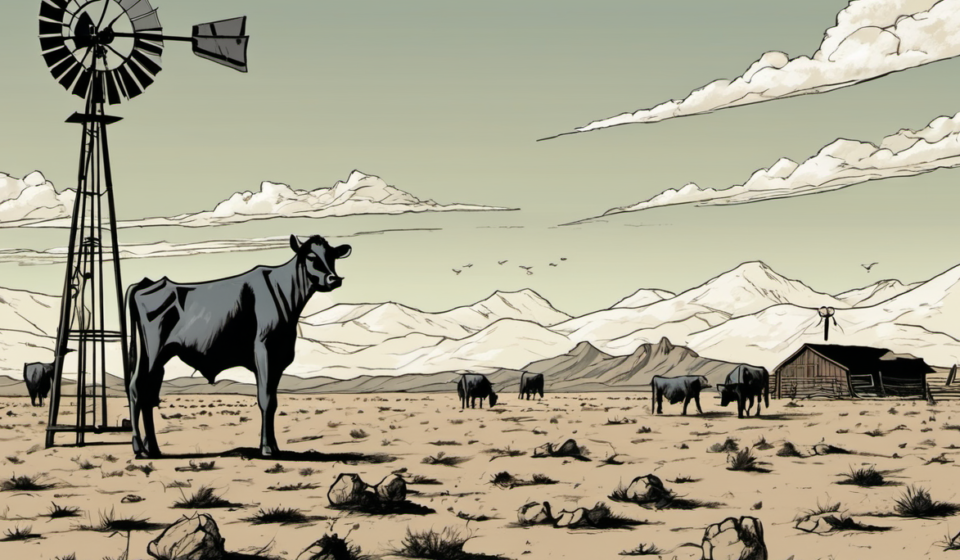
In a year that many hope will never repeat, Wyoming ranchers are battling a perfect storm of drought, escalating costs, and competitive pressure from imported beef. The state’s cattle industry, a cornerstone of its rural economy, is under strain as weather, market forces, and policy shifts converge.
Drought‑Driven Declines in Pasture and Water Availability
Extended dry spells have reduced pasture quality and water sources across the state. Ranchers report lower forage yields, forcing them to supplement diets with expensive grain or to reduce herd sizes. The scarcity of water has also heightened tensions over water rights, a long‑standing issue in the region.
Rising Operational Costs: Feed, Fuel, and Labor
Feed prices have climbed sharply, driven by global supply chain disruptions and higher demand in other markets. Fuel costs, too, have surged, increasing the expense of transporting cattle to market. Labor shortages and higher wages add another layer of financial pressure, especially for smaller operations that rely on seasonal workers.
Competitive Pressure from Imported Beef
International beef imports, particularly from countries with lower production costs, have entered the U.S. market at a faster pace. This influx has put downward pressure on domestic cattle prices, making it harder for Wyoming ranchers to secure profitable sales. The situation is compounded by trade policies that can shift tariffs and quotas, affecting export and import dynamics.
Industry Response and Future Outlook
Some ranchers are diversifying their operations, exploring niche markets such as grass‑fed or organic beef, while others are investing in water‑conservation technologies. However, many express uncertainty about the long‑term viability of traditional ranching practices in the face of these challenges.
“It’s been a year that I hope we never do it again,” said Lander Nicodemus, owner of Torrington Livestock Markets, which auctions about 450,000 head of cattle each year. Nicodemus’s comments echo a broader sentiment among ranchers who are navigating an increasingly complex landscape.
For more details, read the full CBS News article here.
Watch and listen free on JASTORM – Follow radio and video broadcasts free in the JASTORM app with your free account. https://jastorm.com