
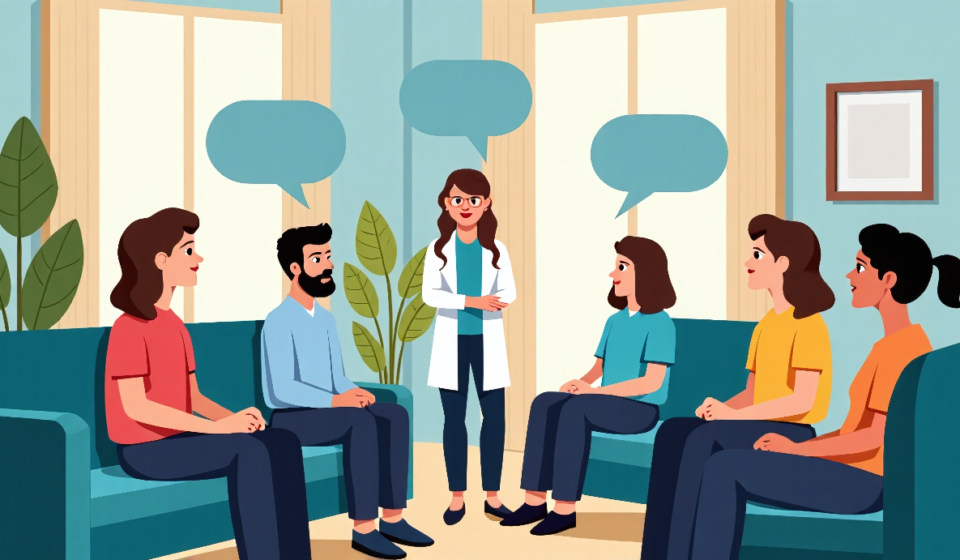
Therapy Speak Reimagined: Dr. Suzanne Garfinkle-Crowell’s Mission
Therapy Speak Reimagined: Dr. Suzanne Garfinkle‑Crowell’s Mission
In a recent appearance on CBS Mornings, psychiatrist Dr. Suzanne Garfinkle‑Crowell discussed how the language of therapy has evolved and how it can be made more accessible to the public. She argues that the jargon used in mental‑health settings often alienates people, and she proposes a shift toward more relatable, everyday speech.
From Clinical Jargon to Everyday Conversation
Dr. Garfinkle‑Crowell, author of Girlhood, Translated, explained that terms like “cognitive distortions” or “attachment styles” can feel intimidating. She believes that simplifying these concepts helps people recognize and articulate their emotions without feeling judged or misunderstood.
Why Language Matters in Therapy
According to the psychiatrist, the way we talk about feelings shapes how we experience them. When therapy language is too technical, it can create a barrier between patients and providers. By adopting a more conversational tone, therapists can foster trust and encourage clients to share more openly.
Practical Steps for Everyday Use
Dr. Garfinkle‑Crowell offers several practical tips: 1) use plain language to describe emotions; 2) replace abstract terms with concrete examples; and 3) encourage self‑reflection through simple questions like “What’s going on inside you right now?” These strategies aim to make mental‑health conversations feel less clinical and more human.
Impact on Public Perception
By demystifying therapy speak, the psychiatrist hopes to reduce stigma and make mental‑health support more approachable. She believes that when people feel comfortable discussing their feelings, they are more likely to seek help and maintain emotional well‑being.
For more on Dr. Garfinkle‑Crowell’s work and her appearance on CBS Mornings, watch the full segment here.
Watch and listen free on JASTORM – Follow radio and video broadcasts free in the JASTORM app with your free account.