Adobe Construction: The Ancient Material Making a Modern Comeback
Adobe Construction: The Ancient Material Making a Modern Comeback
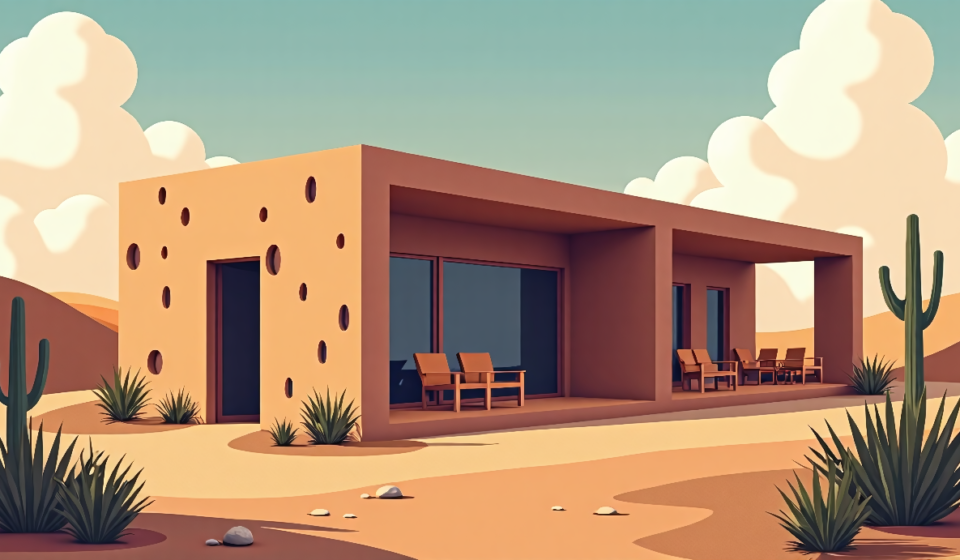
For millennia, people worldwide have built homes from earth—mud bricks, wattle and daub, rammed earth. Today, adobe is once again the buzzword of sustainable construction, appearing in museum designs and in the hands of hobbyists who turn the dirt beneath their feet into modern homes. This article explores the history of adobe and how contemporary technology, especially 3‑D printing, is breathing new life into this age‑old material.
From Mud to Masterpiece: A Brief History of Adobe
Adobe, literally “mud” in Spanish, refers to sun‑dried bricks made from a mixture of clay, sand, water, and organic fibers such as straw. The technique dates back to ancient Mesopotamia, Egypt, and the Americas, where it provided durable, thermally efficient walls that kept interiors cool in hot climates and warm in cold ones. Over centuries, adobe evolved into regional styles—Mayan adobe, Pueblo adobe, and the iconic terracotta façades of the American Southwest.
Why Adobe Is Gaining Momentum Today
Modern architects and builders are turning to adobe for several reasons:
- Environmental sustainability: Adobe uses locally sourced materials, reducing transportation emissions and embodied carbon.
- Thermal performance: Thick adobe walls act as natural insulators, lowering heating and cooling costs.
- Cultural resonance: The material’s historical roots provide a sense of place and continuity.
3‑D Printing Meets Ancient Craft
Innovators are now combining adobe with additive manufacturing. By printing layers of a clay‑based paste, designers can create complex geometries that would be difficult or impossible with traditional hand‑molding. This hybrid approach preserves the material’s aesthetic while expanding its structural possibilities. Museums around the world are showcasing adobe‑based exhibits that demonstrate this synergy, and architects are experimenting with 3‑D printed adobe facades in new public buildings.
DIY Adobe: Building Your Own Home From the Ground Up
Beyond institutional projects, a growing community of do‑it‑yourselfers is constructing adobe homes on their own plots. With simple tools—shovels, molds, and a steady hand—anyone can produce bricks from local soil. The process involves mixing the earth with water and straw, filling molds, and allowing the bricks to dry in the sun. Once fired, these bricks can be stacked to form walls that are both sturdy and environmentally friendly.
Challenges and Considerations
While adobe offers many benefits, builders must address issues such as moisture protection, structural load limits, and local building codes. Proper lime plaster or waterproof coatings can shield walls from rain, and careful design ensures that adobe structures meet safety standards.
For more on this trend, watch the full CBS News segment: Adobe Construction: What’s Old Is New Again.
Watch and listen free on JASTORM – Follow radio and video broadcasts free in the JASTORM app with your free account.