
Iceland Votes Down EU Membership, Stays in EEA and Schengen
Iceland Votes Down EU Membership, Stays in EEA and Schengen
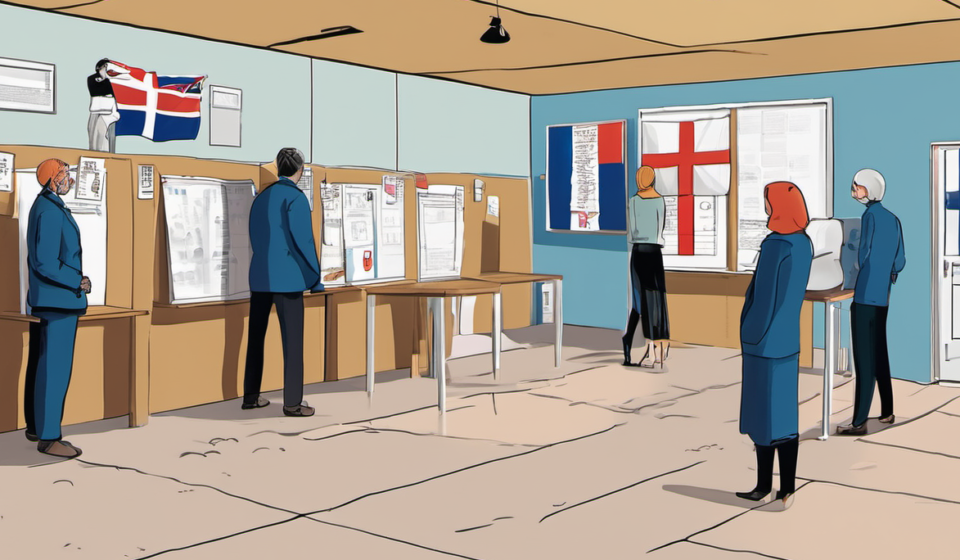
In a decisive referendum held on 28 September, Iceland’s voters rejected the proposal to join the European Union. The decision keeps the island nation within the European Economic Area (EEA) and the Schengen Area, preserving its current framework for free movement of people, goods, capital, and services.
Referendum Results and Public Sentiment
According to official counts, 53.5% of voters chose “No” while 46.5% supported membership. The turnout was 72%, indicating a strong public engagement with the issue. Analysts suggest that concerns over sovereignty, economic autonomy, and the perceived loss of control over national policies influenced the outcome.
Current EEA and Schengen Membership
Iceland has been a member of the EEA since 1994, which allows it to participate in the EU’s single market without being a full member. The Schengen Agreement, adopted in 2008, enables passport‑free travel across most European countries. These arrangements provide Iceland with significant economic and social benefits while maintaining legislative independence.
Implications for Trade and Mobility
Remaining in the EEA and Schengen means Iceland continues to enjoy seamless trade and travel with EU states. Import duties are largely eliminated, and Icelandic businesses can access a market of over 500 million consumers. The country also benefits from EU funding programs aimed at supporting infrastructure and innovation.
Future Relations with the EU
While the referendum closed the door on full EU membership, Iceland has indicated a willingness to deepen cooperation. Potential areas of focus include climate policy alignment, fisheries management, and digital trade agreements. The government is expected to engage in dialogue with EU officials to explore these possibilities.
Conclusion
The referendum outcome underscores Iceland’s preference for maintaining sovereignty while still enjoying the economic advantages of close ties with Europe. The nation’s future will likely involve a balanced approach, leveraging EEA and Schengen benefits while negotiating targeted collaborations with the EU.
Source: CBS News
Watch and listen free on JASTORM – Follow radio and video broadcasts free in the JASTORM app with your free account.