
California Vineyards Face Crisis as Wine Demand Declines
California Vineyards Face Crisis as Wine Demand Declines
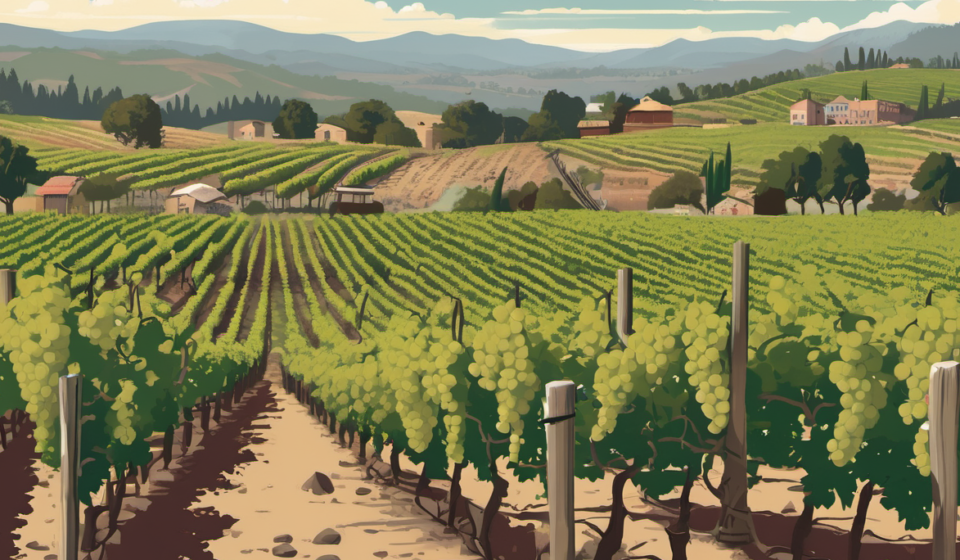
California’s famed Napa Valley vineyards are grappling with a sudden surplus of grapes as the wine industry contracts. Farmers are left with unsold fruit that must be discarded, creating economic strain and environmental concerns.
Market Shifts Leave Grapes Unwanted
Recent reports indicate that demand for wine has fallen sharply, leaving many growers with more harvest than they can sell. The excess grapes are often left to rot in the fields, a costly and wasteful outcome for producers who have invested heavily in cultivation.
Financial Strain on Local Growers
Farmers in Napa Valley are facing mounting losses as they cannot find buyers for their produce. The inability to sell leads to cash flow problems, threatening the viability of small and family‑owned vineyards that have been part of the region’s heritage for generations.
Environmental Impact of Rotting Grapes
When grapes are left to decompose on the vines, they can attract pests and spread disease, potentially damaging future crops. The waste also contributes to greenhouse gas emissions, adding an ecological dimension to the economic crisis.
Seeking Solutions and Support
Growers are exploring alternative markets, such as juice or vinegar production, and seeking government assistance to mitigate losses. Industry experts emphasize the need for a coordinated response to stabilize the market and protect the livelihoods of those who cultivate California’s iconic vineyards.
For more details, watch the full CBS News report: California grape growers drowning in unsold product as wine demand falls.
Watch and listen free on JASTORM – Follow radio and video broadcasts free in the JASTORM app with your free account.