Designer Accuses WWE, Mitchell & Ness of Copying His CM Punk Design
Designer Accuses WWE, Mitchell & Ness of Copying His CM Punk Design
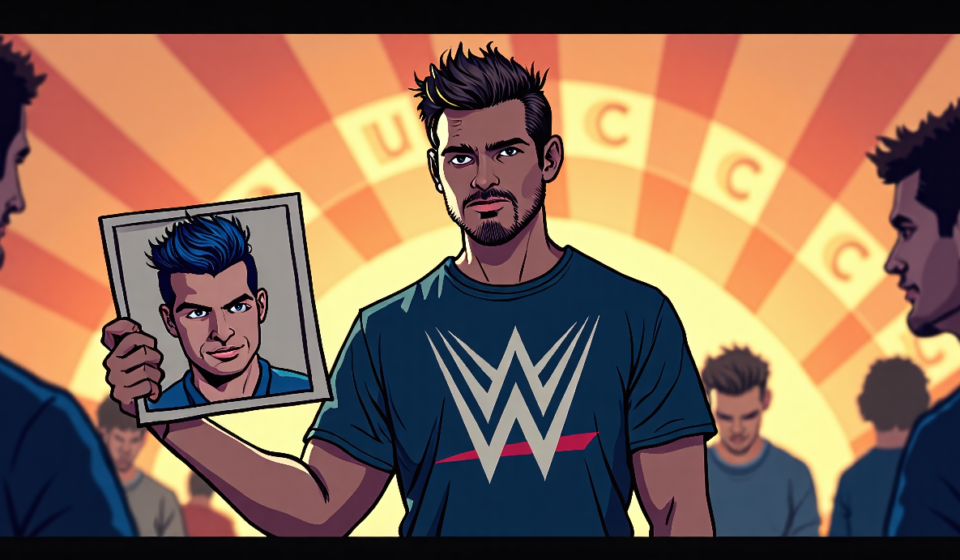
Graphic designer David Stenken, head of Pro Wrestling Tees, has publicly alleged that WWE and apparel brands Mitchell & Ness lifted his original CM Punk artwork for use in their own merchandise. Stenken’s design, released in 2021 to celebrate Punk’s return to professional wrestling with AEW, has become one of the wrestler’s most iconic visuals. The dispute raises questions about creative ownership and the handling of intellectual property in the wrestling industry.
Stenken’s Original Creation
Stenken created a striking CM Punk graphic that quickly gained popularity among fans. The artwork features Punk’s signature “I’m a Punk” motif, rendered in a bold, stylized style that resonated with the wrestler’s rebellious persona. The design was distributed through Pro Wrestling Tees, a platform known for its high‑quality, fan‑centric apparel.
Allegations Against WWE and Mitchell & Ness
In a recent post on social media, Stenken accused WWE and Mitchell & Ness of reproducing his design without permission. He highlighted similarities in color palette, composition, and the placement of key elements that, according to him, mirror his original work. Stenken’s claim suggests that the brands may have appropriated his creative concept for commercial gain.
Industry Response and Legal Implications
While no official statements have been released by WWE or Mitchell & Ness, the situation has sparked discussion among wrestling fans and designers alike. Intellectual property law in the realm of sports and entertainment often hinges on the originality of the work and the presence of any licensing agreements. Stenken’s post has prompted calls for a clearer understanding of how wrestling merchandise rights are negotiated and protected.
What This Means for Wrestler Merchandise
The controversy underscores the importance of protecting creative assets in an industry where branding and fan merchandise are significant revenue streams. Designers and artists working on wrestling-related projects may need to secure proper licensing agreements and maintain documentation of their creative process to safeguard against potential disputes.
Next Steps for the Dispute
Stenken has requested legal assistance, asking for guidance on how to proceed with his claims. The outcome of any potential legal action could set a precedent for how wrestling organizations handle third‑party artwork and could influence future collaborations between brands and independent designers.
For more details on the story, visit the original report on Wrestling Headlines.
Watch and listen free on JASTORM – Follow radio and video broadcasts free in the JASTORM app with your free account.