
Brain Shifts at 50 May Heighten Dementia Risk
Brain Shifts at 50 May Heighten Dementia Risk
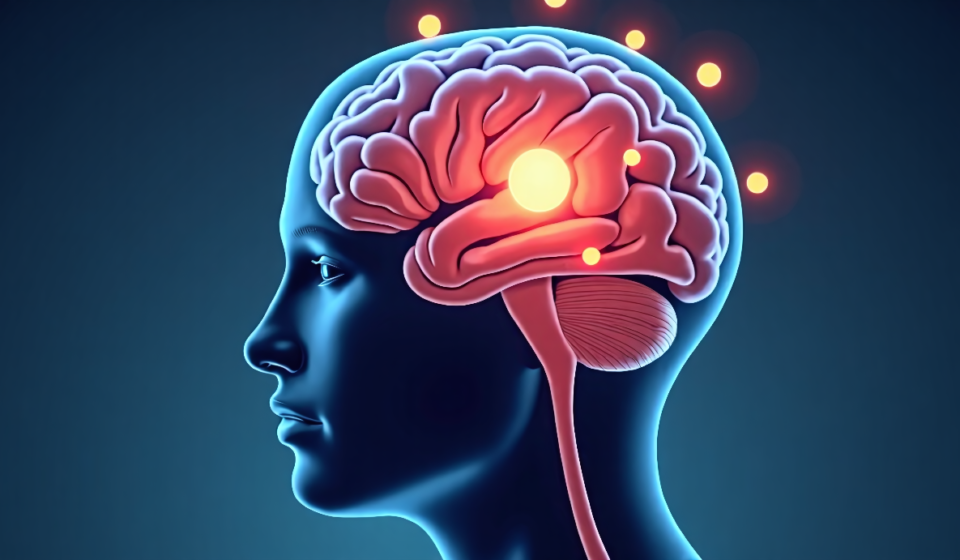
Scientists have discovered that a key brain‑immune system change occurs around age 50. Microglia, the brain’s resident immune cells, wane, while inflammatory cells from the bloodstream invade the hippocampus. This shift may trigger neuroinflammation that increases the likelihood of developing dementia.
Microglia Decline After 50
Microglia act as the brain’s first line of defense, clearing debris and protecting neurons. The study found that their numbers drop significantly once people reach their fifties, leaving the hippocampus—critical for memory—more vulnerable.
Blood‑Derived Cells Flood the Hippocampus
Concurrently, immune cells that normally circulate in the blood begin to infiltrate the hippocampus. These cells release inflammatory molecules, creating a hostile environment for neurons and potentially accelerating cognitive decline.
Implications for Dementia Prevention
Understanding this age‑related immune transition offers a new angle for early intervention. Therapies that support microglial health or limit harmful blood‑derived cell infiltration could become part of dementia prevention strategies.
Source: Fox News Health
Watch and listen free on JASTORM – Follow radio and video broadcasts free in the JASTORM app with your free account.